
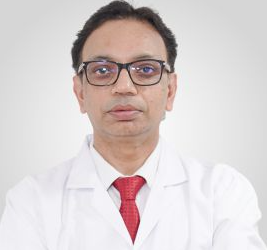
By:- Dr. Arun Gupta, Director – Orthopaedics & Trauma Care, Yatharth Super Speciality Hospital, Agra
Osteoporosis is often described as a “silent disease” because it gradually weakens bones without causing noticeable symptoms in its early stages. Unlike conditions that produce immediate pain or discomfort, osteoporosis can progress for years without a person realising that their bones are losing strength. For many individuals, the first indication of the disease is a fracture resulting from a minor fall, a sudden movement or even routine daily activities. By this stage, considerable bone loss may have already occurred, making early awareness and timely diagnosis essential.
Bones naturally undergo changes as we age, with the body gradually losing bone mass. However, osteoporosis accelerates this process, reducing bone density and weakening the internal structure of bones. As a result, bones become more fragile and susceptible to fractures. The condition is particularly common among older adults and postmenopausal women, as declining levels of the hormone oestrogen contribute to accelerated bone loss. However, osteoporosis is not restricted to the elderly. Younger individuals may also be at risk due to inadequate nutrition, physical inactivity, certain long-term medications or underlying medical conditions that affect bone health.
One of the biggest challenges in managing osteoporosis is that it generally does not cause pain until a fracture occurs. The absence of obvious warning signs often leads people to overlook their bone health until a serious complication develops. The hip, wrist and spine are among the areas most commonly affected by osteoporosis-related fractures. Such injuries can significantly restrict mobility, interfere with everyday activities and reduce independence, particularly among older adults. Hip fractures may require surgery and prolonged rehabilitation, while spinal fractures can cause persistent back pain, loss of height and changes in posture, including a stooped appearance. In vulnerable individuals, these complications can affect overall quality of life and increase dependence on family members or caregivers.
Early detection is therefore one of the most important steps in preventing osteoporosis-related complications. Individuals with risk factors such as advancing age, menopause, a family history of osteoporosis, previous fragility fractures, poor nutrition or prolonged use of certain medications should consult a healthcare professional about their bone health. A bone mineral density test, commonly performed using dual-energy X-ray absorptiometry (DEXA), helps assess bone strength and identify reduced bone density before a fracture occurs. Based on the findings and the individual's overall risk, doctors can recommend appropriate interventions, including lifestyle changes, nutritional support and medication where necessary.
Prevention also begins with everyday habits that help maintain bone strength. A balanced diet containing adequate calcium and vitamin D supports bone health, while regular weight-bearing activities such as walking and appropriate strength-training exercises help preserve bone mass. Exposure to sunlight, where appropriate, can support the body's natural vitamin D production. Avoiding smoking and limiting alcohol consumption are equally important, as both can adversely affect bone health. Additionally, preventing falls is particularly crucial for older adults. Keeping floors clear, ensuring adequate lighting, installing support rails where necessary and wearing suitable footwear can reduce the risk of injuries at home.
Osteoporosis should not be considered an inevitable consequence of ageing. Although bone loss may increase with age, its progression and complications can often be managed through awareness, timely screening and appropriate medical care. Recognising risk factors before a fracture occurs allows individuals to take preventive measures and protect their mobility and independence. By making bone health a priority at every stage of life, we can reduce the burden of osteoporosis and help people lead healthier, more active lives.