For many people, modelling is an exciting way to enter the fashion world. From walking the runway to appearing in designer campaigns and fashion shoots, models help bring clothing and creative ideas to life. But building a career in modelling takes more than good looks. Confidence, presentation, discipline and a strong understanding of fashion are equally important.
The good news is that the fashion industry offers several paths for aspiring models. A beginner can explore runway shows, fashion editorials, e-commerce shoots, beauty campaigns, catalogues and social media campaigns depending on their interests and strengths.
Find Your Place in Fashion
The first step is to understand what type of modelling interests you most.
Runway modelling involves presenting designer collections during fashion shows, while editorial modelling focuses on fashion magazines, creative shoots and campaigns. Commercial and e-commerce modelling are generally centred on clothing brands, online stores and advertising.
Choosing a direction early can help you understand the kind of portfolio and experience you need to build.
Start With Simple Photographs
Aspiring models do not always need an expensive photoshoot to get started. A few clear, natural photographs can be enough for an initial agency submission or casting application.
Take a simple headshot, a side-profile picture and a full-length photograph in good lighting. Keep the styling natural so that agencies and casting teams can see your features clearly.
As you gain experience, you can build a professional portfolio with different fashion looks, poses, hairstyles and concepts.
Learn to Pose and Walk
Fashion modelling involves movement as much as appearance.
Practising in front of a mirror can help beginners become more comfortable with their posture, expressions and poses. For runway modelling, regularly practising your walk can improve balance, confidence and body movement.
Watching fashion shows can also help you understand how professional models present different types of clothing. The way a model moves can change the entire appearance of a garment.
Develop Your Fashion Sense
A successful model should understand the clothes they are wearing.
Pay attention to current fashion trends, designers, fabrics, silhouettes and styling. Follow fashion shows, campaigns and editorial shoots to understand how designers and creative teams present collections.
Knowing how clothing fits and moves can also help you work better during a shoot or fashion show.
Take Care of Your Wellbeing
Fashion shoots and runway shows can involve long hours, travel and repeated outfit changes. Staying physically active and maintaining good overall health can help models handle the demands of the profession.
There is no single body type for every area of modelling. Fashion, commercial, beauty and e-commerce assignments can have different requirements. It is more important to maintain healthy habits and understand the type of modelling that suits you.
Build Experience
A beginner does not have to wait for a major fashion label to get started.
Working with local photographers, designers, boutiques and fashion students can provide valuable experience. Small fashion shoots and local shows can teach you how to work with stylists, photographers, makeup artists and creative directors.
Each professional experience can also help you improve your portfolio and confidence.
Choose Agencies Carefully
A modelling agency can help connect models with designers, brands and casting opportunities. However, aspiring models should research an agency before signing any agreement.
Look at its existing models, previous work and reputation. Read contracts carefully and understand commission, exclusivity and other terms before agreeing to representation.
Be particularly careful with anyone promising guaranteed modelling jobs in exchange for large upfront payments.
Use Social Media Wisely
Social media has become an important part of fashion discovery.
A well-maintained Instagram or other professional profile can work as an online fashion portfolio. Share strong photographs, fashion shoots, runway appearances and collaborations that represent your style.
You do not need thousands of followers to begin. A professional and consistent presentation can be more useful than simply chasing follower numbers.
Confidence Matters
Fashion modelling requires the ability to handle different people, locations and creative directions.
During a shoot, a photographer may ask for several expressions or poses. On a runway, a model needs to remain composed while presenting the designer's collection. Confidence develops with practice and experience.
Being able to listen, take direction and remain professional is just as important as looking good in front of the camera.
Fashion Is About More Than Appearance
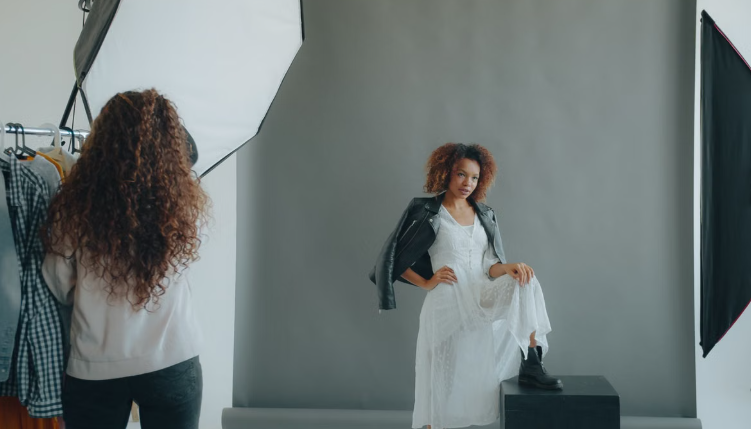
The image of a model is only one part of the fashion industry. Behind every successful shoot is a team of designers, stylists, photographers, makeup artists, hair professionals and creative directors.
Models who understand this process can become stronger collaborators. Learning about styling, photography, lighting and fashion presentation can help an aspiring model understand what happens beyond the camera.
Building a Long-Term Career
There is no single formula for becoming a successful fashion model. Some people begin with local fashion shows, while others enter through photography, social media, agencies or brand campaigns.
The important thing is to keep developing your skills and building genuine experience. Rejection is common in fashion, and not every casting will lead to a job. Staying professional and continuing to improve can help models navigate the industry's competitive nature.
Fashion modelling is ultimately about confidence, creativity, presentation and personality. For someone passionate about clothing and visual storytelling, it can provide an opportunity to become part of a constantly changing fashion industry while developing a distinctive professional identity.