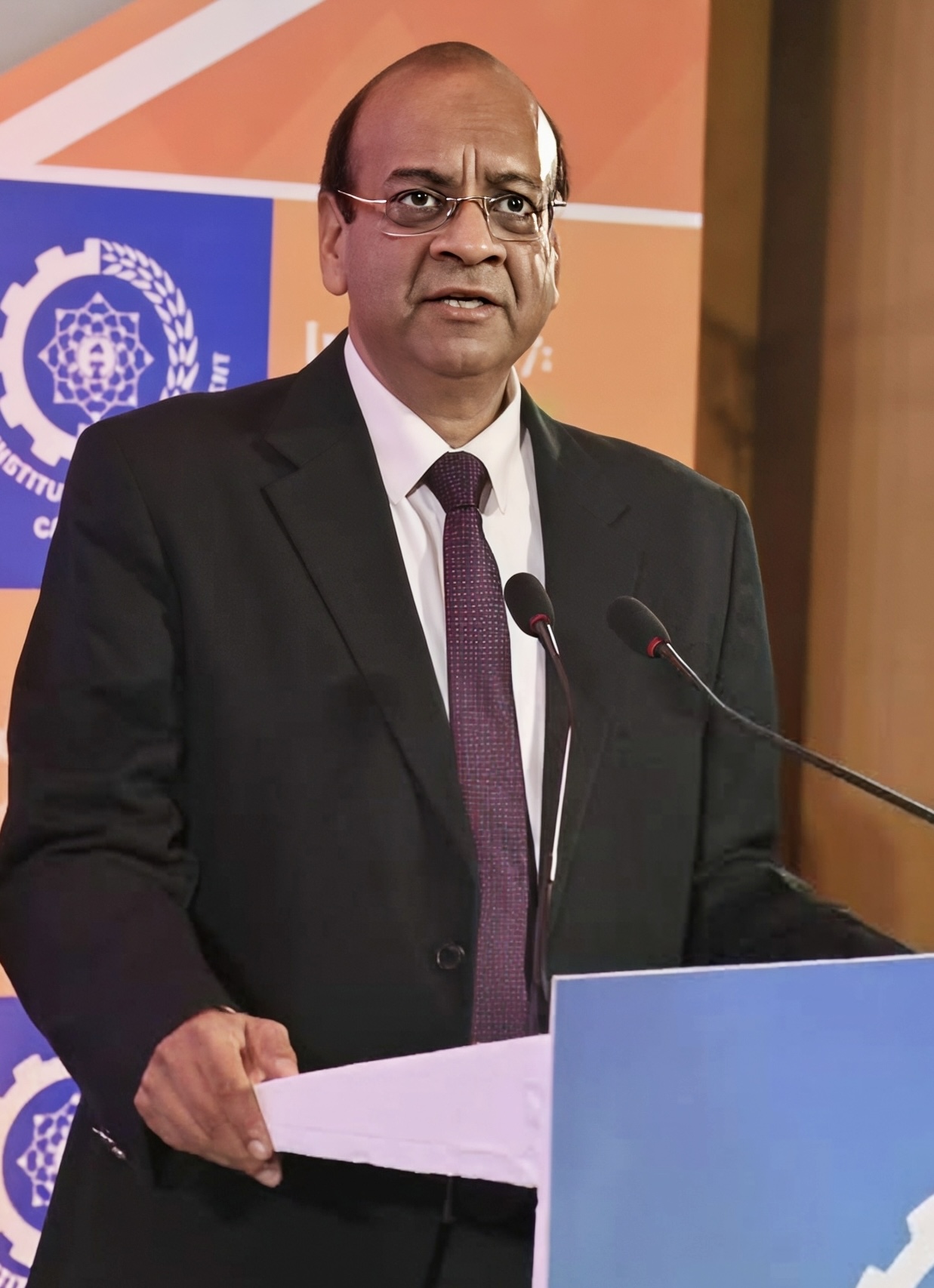
Ajay Jain, Chairman, IIM Calcutta Innovation Park Board
The West Bengal Cabinet's approval of the new industrial policy is an important development as the state looks to attract fresh investment, strengthen industrial activity and create employment opportunities. As the government prepares to unveil the detailed policy, we believe there is an opportunity to make entrepreneurship and innovation an integral part of the state's industrial growth strategy.
Our foremost expectation is that the policy should create direct opportunities for startups to participate in the growth of established industries. Large industrial investments should also translate into business opportunities for local startups and MSMEs. This could be achieved through structured industry-startup partnerships, innovation challenges, pilot projects and procurement opportunities that allow young enterprises to demonstrate their capabilities and secure commercial contracts. For many startups, access to their first few institutional customers is as critical as access to funding.
Second,the policy should recognise the importance of supporting startups beyond the incubation stage. West Bengal has considerable academic and technical talent, but promising innovations often struggle to reach commercial scale. Dedicated support for technology validation, early-stage capital, commercialisation and market access, particularly in manufacturing, deeptech, agritech and sustainability, could help bridge this gap.
A third priority should be taking entrepreneurship beyond Kolkata. Linking incubation infrastructure with regional industrial clusters, academic institutions and local enterprise networks can unlock opportunities for first-generation entrepreneurs, women-led businesses and startups emerging from smaller towns and districts. This would also help ensure that industrial development creates a broader economic impact across the state.
Another important expectation is that the policy should give special emphasis to social innovation and grassroots entrepreneurship, in line with the Honourable Prime Minister's vision of Viksit Bharat. Across rural and semi-urban West Bengal, particularly among women and first-generation entrepreneurs, there is considerable untapped entrepreneurial potential. Many have identified real community needs and have viable business ideas, but lack access to funding, structured incubation, mentorship and market linkages. The policy should create dedicated mechanisms to identify and nurture such entrepreneurs, including through district-level incubation support, accessible seed funding and partnerships with grassroots institutions and self-help group networks. Encouraging social enterprises that address local challenges while creating sustainable livelihoods can make entrepreneurship a powerful driver of inclusive economic growth. For a state like West Bengal, this should be a key priority, ensuring that the benefits of industrial development extend to communities beyond traditional urban and industrial centres.
We would also like to see greater alignment between the new industrial policy and the state's proposed dedicated startup policy. The two should complement each other, with clear mechanisms for connecting startups to industry, investors, research institutions and markets.
Ultimately, the success of the policy should be judged not only by the investments it attracts, but also by how effectively those investments create new enterprises, encourage commercial adoption of innovation and generate sustainable employment. West Bengal's opportunity is to build an industrial ecosystem where startups are not on the sidelines of growth, but are active participants in driving it.