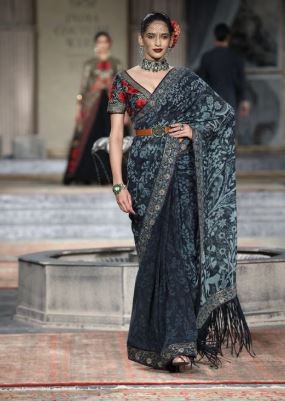
Indian art and textile traditions are entering a new chapter as designers, artisans and fashion brands find fresh ways to bring centuries-old craftsmanship into contemporary wardrobes.
For generations, art forms such as Pattachitra, Kalamkari, Ajrakh, hand-block printing and regional embroidery were closely associated with sarees, lehengas, kurtas and ceremonial clothing. Today, these traditions are moving beyond occasion wear and appearing on oversized T-shirts, jackets, trousers, jewellery, footwear and everyday accessories.
The shift reflects a broader change in fashion. Consumers are increasingly looking for clothing and accessories that have a story behind them, rather than products that simply follow short-lived trends. This has created space for traditional Indian art to become part of everyday style.
From sarees to streetwear
One of the most visible changes is taking place in streetwear.
Traditional artwork is being adapted for contemporary silhouettes such as oversized T-shirts, utility trousers, bomber jackets, corset-inspired tops and relaxed separates. Instead of treating Indian art as a decorative border or occasional motif, designers are increasingly using it as the central visual element of a garment.
Odisha's Pattachitra, known for its detailed storytelling and distinctive illustrations, and Andhra Pradesh's Kalamkari, recognised for its hand-painted and traditionally dyed textiles, are finding new expressions in modern clothing.
Ajrakh and other hand-block traditions are also being incorporated into contemporary workwear and casual fashion, creating a contrast between traditional craftsmanship and urban design.
This combination is giving Indian streetwear a more distinctive identity while opening another market for traditional artisans.
When textile traditions become jewellery
The influence of heritage is also moving from fabric to fine jewellery.
Designers are drawing inspiration from traditional textile textures, ornaments and cultural symbols and translating them into gold, silver and gemstones. Details that once belonged primarily to bridal or ceremonial jewellery can now appear as contemporary statement pieces.
Traditional forms such as pearl clusters, protective motifs and regional jewellery techniques are being redesigned with modern proportions and colourful stones.
The result is jewellery that can work with both Indian and Western wardrobes, helping heritage craftsmanship reach consumers beyond traditional occasions.
Art is becoming something people can wear
Another important development is the growing relationship between fashion and fine art.
Instead of simply displaying paintings in galleries, designers are bringing artistic styles, colours and visual narratives directly onto clothing. Collaborations between artists and fashion designers are creating collections in which a garment becomes a moving canvas.
This approach is changing the way consumers look at fashion. A jacket, tunic or dress can carry the visual language of an artist while still functioning as everyday clothing.
It also creates a bridge between two creative industries, giving artists another platform while allowing fashion brands to develop more distinctive collections.
Indian craftsmanship gains global visibility
Indian craftsmanship is also receiving greater attention from international luxury fashion.
Traditional techniques and products associated with particular regions are increasingly being adapted for premium fashion and global audiences. The renewed interest in Indian craftsmanship is bringing regional skills into conversations around luxury, design and cultural identity.
The growing visibility of products such as Kolhapuri footwear shows how a traditional Indian product can be repositioned for contemporary consumers while retaining its cultural character.
At the same time, Indian designers and artists are using global fashion platforms to present elements of everyday Indian life, materials and cultural references in unconventional ways.
This is helping move the perception of Indian craftsmanship beyond the idea of festive or ethnic fashion.
Innovation is making heritage wearable
Bringing traditional art into modern fashion is not simply a matter of putting an old design on a new garment. Many techniques require considerable experimentation to make them lighter, more flexible and suitable for everyday use.
Lippan art from Kutch, for example, traditionally uses mud and mirrors to create raised decorative surfaces. Translating this type of three-dimensional craft into clothing requires designers to explore lighter materials, flexible bases and alternative components.
Such experimentation can make intricate craft techniques more practical for garments and accessories while preserving their visual character.
This combination of tradition and technology could become increasingly important as designers look for ways to make Indian craft commercially viable in contemporary fashion.
A new opportunity for artisans and businesses
The transformation of Indian heritage into modern fashion is also creating a wider economic opportunity.
When traditional art appears on clothing, jewellery, footwear and lifestyle products, its market is no longer limited to festive seasons or ceremonial purchases. A craft can become part of a consumer's everyday wardrobe.
This can create opportunities across the value chain — from artisans and designers to textile producers, jewellery makers, fashion labels, retailers and digital marketplaces.
For smaller brands, traditional craftsmanship can also provide a strong identity in an increasingly crowded fashion market. Instead of competing only on price or seasonal trends, brands can build products around originality, craftsmanship and cultural storytelling.
From preserving heritage to living with it
The biggest change may be the way Indian heritage is being perceived.
Traditional art does not necessarily have to remain confined to museums, archives or ceremonial clothing. It can evolve with changing lifestyles while retaining the skills and stories that made it distinctive in the first place.
The modern fashion movement is therefore not simply about bringing old designs back. It is about reinterpreting heritage for a new generation.
From Pattachitra-inspired streetwear and Ajrakh workwear to handcrafted jewellery, contemporary footwear and art-inspired accessories, Indian craftsmanship is becoming increasingly visible across the fashion landscape.
The future of Indian fashion may lie not in choosing between tradition and modernity, but in finding new ways to make the two work together.