Burhanpur, Nov 17: The Department of Pathology at All Is Well Multispeciality Hospital in Burhanpur has received accreditation from the National Accreditation Board for Testing and Calibration Laboratories, under the Quality Council of India, strengthening diagnostic healthcare infrastructure in the Nimar region of Madhya Pradesh.
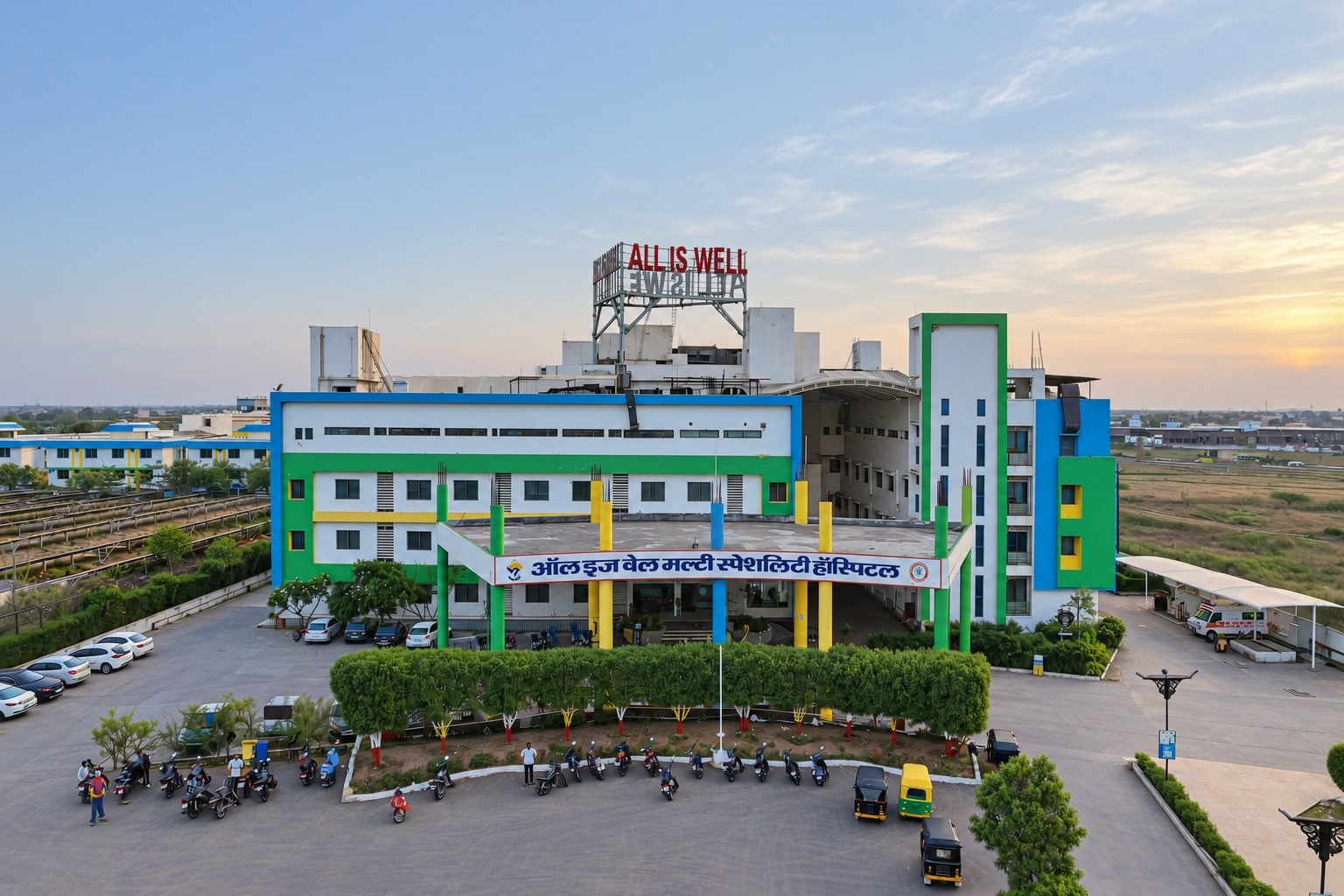
The hospital’s pathology laboratory is the first in the Nimar and Khandesh regions to receive the accreditation, which recognises the technical competence and quality management systems of testing laboratories within their approved scope.
Located close to the Maharashtra border, Burhanpur serves patients from neighbouring districts and towns, including Khandwa, Khargone, Dharni, Muktainagar, Bhusawal and Jalgaon covering approx of 200+ km region from the hospital. Established in 2019, the hospital's Department of Pathology has developed a regional network spanning approximately 200 kilometres, with associations with around 2,600 doctors and 500–600 hospitals and pathology laboratories across Madhya Pradesh and adjoining Maharashtra areas.
The department provides specialised diagnostic services across seven disciplines, supporting routine investigations, complex disease diagnosis, cancer detection and treatment monitoring. These include:
- Haematology: Complete blood counts, peripheral blood smear examinations, coagulation studies and specialised investigations to evaluate anaemia, infections, blood disorders, coagulation abnormalities and haematological malignancies such as leukaemia.
- Cytology: Microscopic examination of cells from fine needle aspiration cytology (FNAC), body fluids and other procedures to evaluate lumps, swellings, infections, inflammatory conditions and suspected cancers.
- Histopathology: Examination of tissue biopsies and surgically removed specimens to support cancer diagnosis, identification of tumour type and grade, and treatment planning.
- Immunology and Immunopathology: Investigations related to immune system function, autoimmune disorders, inflammatory diseases and selected infectious conditions.
- Clinical Biochemistry: Liver and kidney function tests, cardiac markers, lipid profiles, diabetes-related investigations, electrolytes, hormones and metabolic parameters.
- Molecular Diagnostics: DNA- and RNA-based detection for selected infectious diseases, genetic investigations and other specialised diagnostic applications.
- Medical Microbiology: Bacterial and fungal identification, culture and antimicrobial susceptibility testing to help doctors select appropriate antimicrobial treatment.
The central pathology department has an average testing capacity of approximately 15,000 tests daily, translating to around 4.5 lakh tests monthly and 54.75 lakh annually, according to the hospital. Its operations are supported by automated instruments and modern laboratory systems.
To extend diagnostic access beyond the main facility, All Is Well operates approximately 10 Super Clinic centres across its nearly 200-kilometre network. These centres collectively handle around 9,000–10,000 tests daily, enabling patients to access investigations closer to home. The department also conducts medical and health awareness camps focused on preventive healthcare, early disease detection and monitoring of lifestyle-related conditions.
NABL accreditation assesses a laboratory's technical competence and quality management systems, covering internal quality control (IQC), external quality assessment (EQA), equipment calibration, testing procedures, personnel competence, sample handling, reporting accuracy, documentation and continuous quality improvement. These standards provide a framework for consistency and reliability in laboratory investigations, supporting clinical decision-making and treatment planning.
Commenting on the accreditation, Devanshi Chouksey, Executive Director, All Is Well Multispeciality Hospital, said,
"All Is Well built advanced diagnostics in Burhanpur so that our patients and their families need never travel far for answers they can trust. NABL accreditation is our promise that here, in the heart of Central India, quality is not a privilege. It is a right."
The hospital attributed the accreditation to the collective efforts of its pathologists, laboratory technologists, quality management professionals and wider hospital team, alongside the continued support of referring doctors, associated healthcare institutions and patients.
Looking ahead, the hospital plans to further upgrade its laboratory infrastructure, technology and quality management systems, with the long-term objective of working towards internationally recognised standards, including accreditation by the College of American Pathologists .