Embroidery has always had a special place in Indian fashion. From delicate hand-stitched details to elaborate motifs inspired by flowers, leaves and traditional architecture, embroidery can turn a simple kurta into something quietly elegant.
Among India's many embroidery traditions, Lucknowi and Chikankari kurtis continue to hold a unique appeal. Their beauty lies not in excessive embellishment, but in fine craftsmanship, subtle patterns and the effortless elegance they bring to everyday dressing.
Chikankari: Delicate Craftsmanship With a Modern Appeal
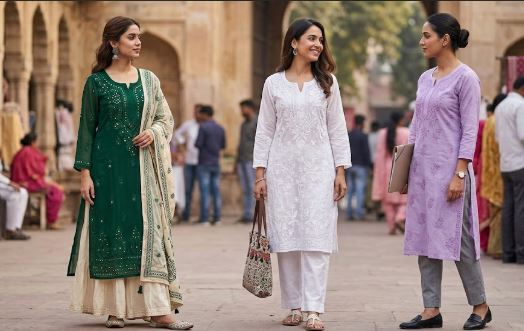
Chikankari, traditionally associated with Lucknow, is known for its intricate white-on-white embroidery and delicate handwork. The craft often features floral vines, paisleys, leaves and geometric patterns that create a graceful texture on the fabric.
A Chikankari kurti can work equally well for a relaxed daytime look or a more polished festive outfit. Lightweight cotton and mulmul versions are particularly comfortable during warmer months, while fabrics such as georgette, silk blends and rayon offer dressier alternatives.
The charm of Chikankari is its versatility. Pair a simple embroidered kurti with straight trousers and flats for an everyday look, or add statement earrings, a dupatta and traditional footwear for a festive occasion.
Lucknowi Kurtas Bring Traditional Craft Into Everyday Fashion
Lucknowi embroidery is increasingly being incorporated into contemporary silhouettes. Classic straight kurtas are now joined by A-line cuts, long kurtas, short kurtis, flared styles and relaxed oversized shapes.
Pastel shades, earthy tones and soft neutrals are particularly suited to the understated character of the embroidery. At the same time, deeper colours such as emerald, navy, wine and black can give traditional motifs a more contemporary and dramatic appearance.
The result is clothing that feels rooted in Indian craftsmanship without looking overly traditional.
From Office Wear to Festive Dressing
One of the biggest strengths of embroidered kurtis is their ability to adapt to different occasions.
For the workplace, a lightly embroidered cotton or linen kurti paired with cigarette pants creates a clean and sophisticated look. For casual outings, a printed or solid kurti with subtle embroidery can be paired with jeans, palazzos or relaxed trousers.
For festive gatherings, heavier embroidery, embroidered dupattas, mirror details or delicate embellishments can instantly elevate the outfit.
This versatility has helped traditional embroidery remain relevant as wardrobes become more practical and occasion-conscious.
Styling the Embroidered Kurti
The simplest way to style an embroidered kurti is often to let the craftsmanship take centre stage.
Minimal jewellery, small earrings and comfortable sandals can complement a daytime Chikankari look. For an evening outfit, oxidised jewellery, embroidered juttis or a statement dupatta can add character without overwhelming the embroidery.
A contrasting dupatta can also completely change the appearance of a simple kurti. A soft Chikankari kurta with a colourful printed dupatta, for instance, can create a fresh fusion look.
Why Embroidery Continues to Matter
In an era of rapidly changing fashion trends, traditional embroidery offers something different: a connection with craftsmanship.
Every stitch carries a sense of patience and skill, particularly when the garment involves hand embroidery. Wearing such pieces allows traditional Indian textile practices to remain part of contemporary wardrobes rather than being confined to museums or ceremonial clothing.
Lucknowi and Chikankari kurtis therefore represent more than a fashion choice. They bring together heritage, comfort and modern styling, making them relevant to women looking for clothing that feels both elegant and easy to wear.
Whether worn with traditional bottoms, denim or contemporary trousers, an embroidered kurti remains one of those rare wardrobe pieces that can move effortlessly between generations and occasions.