
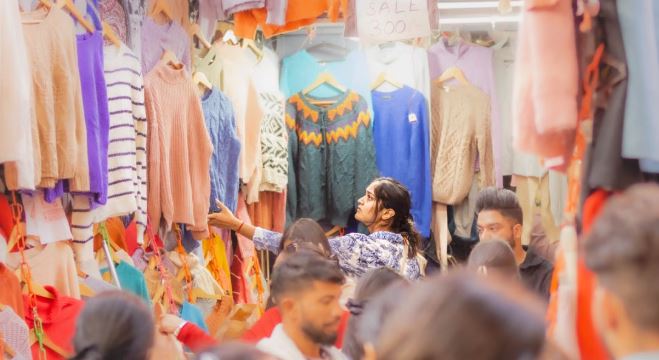
India's fashion industry is beginning to rethink what it means to dress well. As concerns about textile waste, pollution and excessive consumption grow, more consumers and businesses are exploring clothing that is kinder to the environment. But while sustainable fashion is gaining attention, one challenge remains difficult to ignore: making eco-friendly clothing affordable for the average Indian shopper.
For many consumers, the decision to buy clothes comes down to price, comfort, quality and style. A garment made from organic cotton or recycled fabric may be appealing, but if it costs considerably more than a conventional alternative, it can be difficult to justify the purchase. This is particularly true for students, young professionals and families trying to manage everyday expenses.
The challenge for India's sustainable fashion market is therefore not simply to convince people to shop responsibly. It is to make responsible clothing practical, accessible and affordable without compromising on quality or the people involved in producing it.
Sustainable Fashion Is Creating New Opportunities
India has a long history of handloom weaving, natural fibres, traditional craftsmanship and garment repair. These practices offer a strong foundation for a fashion industry that places greater emphasis on durability, resource efficiency and responsible production.
Today, sustainable fashion extends well beyond organic fabrics. It includes recycled materials, upcycled clothing, second-hand shopping, garment rental and repair services. Brands are also exploring smaller production runs and made-to-order collections to avoid producing clothes that may never be sold.
These developments are opening opportunities for designers, manufacturers, independent labels and small businesses. Resale platforms can give pre-owned garments a second life, while local tailors can earn income by helping customers repair and reuse clothes instead of replacing them.
However, sustainable fashion will struggle to reach a wider audience if it remains associated mainly with expensive boutique labels. For the market to grow, businesses need to offer products that fit everyday budgets as well as changing consumer preferences.
Why Sustainable Clothing Often Costs More
The higher price of some eco-friendly garments reflects the costs involved in sourcing materials, manufacturing products and maintaining responsible supply chains.
Organic cotton, certified recycled fibres and certain specialised fabrics may cost more than conventional alternatives. Smaller sustainable brands often produce limited quantities, which makes it harder to negotiate lower prices with suppliers or spread production expenses across large volumes.
Responsible manufacturing can also require investment in cleaner equipment, waste management and better working conditions. Certification and material traceability add further expenses for businesses seeking to verify their environmental claims.
For smaller labels, these costs can make it difficult to compete with mass-market retailers selling large quantities of inexpensive clothing.
Yet a higher price does not automatically make a garment more sustainable. Its overall impact also depends on how it is produced, how long it lasts and how frequently it is worn. A well-made garment used for several years may offer better long-term value than a cheaper item that quickly loses its shape or needs replacing.
The challenge is to reduce unnecessary production and supply-chain costs while maintaining quality, fair wages and credible environmental standards.
Fast Fashion Makes the Affordability Challenge Harder
Low prices and constantly changing trends have transformed the way people shop for clothes. Online discounts, social media and frequent new collections encourage consumers to refresh their wardrobes more often.
For sustainable brands, competing with this model is difficult. A responsibly manufactured garment may cost more upfront, while a similar-looking product is available at a much lower price elsewhere.
Many consumers understand the importance of reducing waste but cannot always afford to prioritise sustainability when managing household budgets. This does not necessarily reflect a lack of interest. It highlights the gap between wanting to make responsible choices and being able to afford them.
Brands need to respond with practical solutions rather than relying entirely on environmental messaging. Affordable everyday essentials, versatile designs and durable fabrics can make sustainable clothing more appealing to a broader audience.
Clear information about quality and garment care can also help shoppers understand the value of a product beyond its initial price.
India's Textile Industry Can Help Bring Costs Down
India's established textile and garment manufacturing network provides an opportunity to make sustainable fashion more accessible. Domestic sourcing, skilled workers and existing production facilities can support responsible manufacturing when businesses invest in more efficient processes.
One practical step is reducing fabric waste. Better cutting techniques, careful production planning and the reuse of suitable fabric remnants can help manufacturers lower material costs.
Businesses can also reduce unnecessary water and energy consumption, improve inventory management and avoid producing more clothing than the market can absorb. Unsold garments often require heavy discounts and may eventually become waste, creating financial as well as environmental losses.
Recycling textile waste offers another opportunity, although it requires suitable collection, sorting and processing systems. Garments made from mixed fibres can be particularly difficult to recycle, and recovered materials may not be suitable for every application.
Investment in recycling infrastructure could help turn more discarded textiles into useful raw materials. For manufacturers, this may create new supply opportunities while reducing dependence on virgin materials.
The commercial benefit is important: sustainability becomes easier to maintain when it also helps businesses use resources more efficiently and control operating costs.
Second-Hand Clothing and Repair Offer Affordable Alternatives
Making fashion more sustainable does not mean everyone needs to buy newly produced eco-friendly clothing. Often, the most affordable option is to make better use of what already exists.
Second-hand fashion is creating opportunities for thrift stores, online resale platforms and independent sellers. Consumers can find clothing at lower prices, while sellers can recover some value from garments they no longer wear.
Repair and alteration services offer similar benefits. A broken zip, loose seam or poor fit does not necessarily mean a garment has reached the end of its life. Local tailors can help extend its use at a fraction of the cost of buying something new.
Clothing rental can also make sense for wedding outfits, festive wear and special occasions when purchasing an expensive garment for occasional use may not be practical.
These business models create opportunities for small entrepreneurs while giving consumers more affordable ways to participate in sustainable fashion. Their success will depend on quality, convenience, transparent pricing and customer trust.
Technology Can Help Fashion Businesses Reduce Waste
Technology is giving fashion businesses new ways to manage production and understand customer demand.
Better forecasting can help brands estimate which products are likely to sell, reducing the risk of excess inventory. Digital stock management can improve visibility across stores and warehouses, while made-to-order production can help smaller labels avoid manufacturing unnecessary quantities.
Digital tools can also improve supply-chain transparency by helping businesses track materials and provide clearer information about manufacturing practices.
However, technology alone will not make sustainable fashion affordable. Smaller businesses may struggle with implementation costs and the expertise needed to use advanced systems effectively.
Partnerships with manufacturers, shared digital services and accessible business tools could help independent labels improve efficiency without taking on excessive expenses.
The goal is straightforward: produce what customers need, use materials more efficiently and reduce the costs associated with waste.
A Growing Opportunity for Indian Designers and Small Businesses
The shift towards responsible fashion offers opportunities beyond established clothing brands. Independent designers, artisans, textile recyclers, tailors and small manufacturers can all contribute to a more circular fashion economy.
Designers can develop upcycled collections using existing materials, while local businesses can offer repair, resale and clothing-care services. Manufacturers can explore ways to reuse production waste and supply recycled materials to other businesses.
These activities can create additional revenue streams and support local employment. They can also help Indian businesses develop distinctive products based on craftsmanship, durability and thoughtful design.
However, small enterprises need access to affordable finance, technical expertise and dependable buyers to make these models commercially viable. They must also communicate their environmental benefits honestly, avoiding broad claims that cannot be substantiated.
For sustainable fashion to become a lasting business opportunity, responsible practices must be supported by sound economics, not just consumer goodwill.
Making Sustainable Fashion Work for Everyday Consumers
The future of India's sustainable fashion market will depend on whether eco-friendly clothing can compete on price, quality and convenience.
Manufacturers need to reduce waste and improve resource efficiency. Brands must focus on durability and transparent sourcing, while retailers can help customers understand the value of buying clothing that lasts. Resale, rental and repair services can offer additional choices for consumers who cannot afford premium sustainable products.
Policy support for textile recycling, cleaner production and improved waste collection could also help businesses make the transition. At the same time, environmental improvements must not come at the expense of fair wages or safe working conditions.
Consumers can contribute by buying thoughtfully, caring for their garments and repairing or reusing clothing where practical. But the responsibility cannot rest on shoppers alone. Businesses must make sustainable options genuinely accessible.
The Road Ahead
India has the textile expertise, manufacturing capacity and creative talent to build a more responsible fashion industry. The opportunity lies in combining these strengths with better production practices, affordable materials and business models that extend the life of clothing.
Sustainable fashion does not need to mean paying more for every purchase. It can also mean choosing durable garments, buying second-hand, repairing existing clothes and reducing unnecessary consumption.
For businesses, the challenge is to make these choices commercially viable. For consumers, it is to find products that balance price, quality and personal needs.
Ultimately, sustainable fashion will have a meaningful impact when it becomes part of everyday shopping rather than a luxury reserved for a few. Making eco-friendly clothing affordable can help Indian businesses reach more customers, reduce textile waste and build a fashion market where commercial success and environmental responsibility go hand in hand.