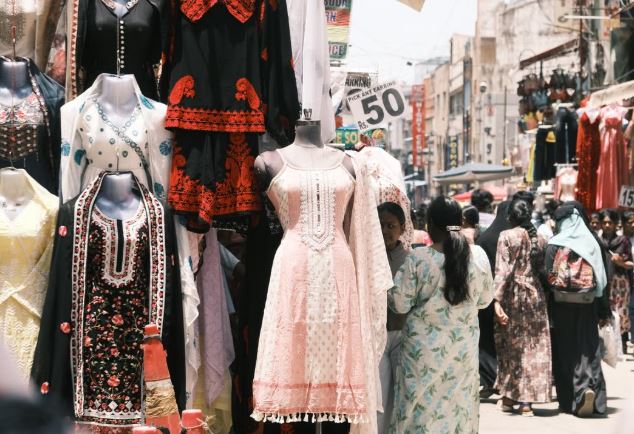
Fashion in India is becoming more accessible, with affordable clothing, online shopping and social media trends changing the way people buy and wear clothes. Consumers can now explore new styles at competitive prices, while retailers are introducing fresh collections at a faster pace to keep up with changing preferences. This shift has created opportunities for fashion brands, manufacturers and online marketplaces, but it has also brought the environmental cost of disposable clothing into sharper focus.
The growing popularity of fast fashion reflects a simple consumer preference: looking fashionable without spending too much. For students, young professionals and middle-income households, inexpensive clothing offers greater choice within a limited budget. However, when new purchases become frequent and garments are discarded after only a few uses, the benefits of affordability come with a larger environmental burden.
India’s challenge is to support a growing fashion economy without allowing rising consumption to translate into excessive waste and resource depletion.
The Hidden Environmental Cost of Low-Cost Fashion
Fast fashion relies on rapid production, competitive pricing and frequent changes in design. While this model helps businesses respond quickly to consumer demand, it can also encourage overproduction and shorten the useful life of garments.
The environmental impact begins with raw materials and continues through manufacturing, transportation, washing and disposal. Cotton production requires land and water, while synthetic fabrics are made from fossil-fuel-based materials. Dyeing and finishing processes consume additional resources and can generate polluted wastewater if appropriate treatment systems are not in place.
The global scale of the problem is considerable. The United Nations Environment Programme estimates that the fashion and textiles sector contributes between 2% and 8% of global greenhouse gas emissions. Although estimates vary according to the activities and supply chains included, they underline the environmental pressure associated with producing, distributing and disposing of clothing.
For India, which has a large textile manufacturing base and a growing domestic consumer market, reducing this impact is both an environmental priority and a business opportunity.
Textile Waste Puts Pressure on India's Waste Management Systems
One of the most visible consequences of fast fashion is the growing volume of unwanted clothing. Garments that lose their appeal or wear out quickly are often discarded, even when they could be repaired, reused or resold.
India has traditionally relied on tailoring, alterations, hand-me-downs and the reuse of old textiles to extend the life of clothing. These practices help households get more value from their purchases and support local livelihoods. However, the availability of inexpensive garments and the constant arrival of new trends can make replacement seem easier than repair.
Managing discarded clothing is not straightforward. Fabrics made from mixed fibres, synthetic blends and multiple components can be difficult to recycle economically. Without effective collection and sorting systems, reusable garments and recyclable materials may end up in landfills or informal waste streams.
Expanding clothing resale, repair services and textile recovery could help address this challenge while creating new opportunities for small businesses and local entrepreneurs.
Water Consumption and Pollution Remain Key Concerns
Water is essential at several stages of textile production, from growing cotton to dyeing and finishing fabrics. In water-stressed regions, industrial demand can add pressure to already limited resources.
Textile processing also creates wastewater that may contain dyes, salts and other chemicals. Where treatment is inadequate, untreated discharge can damage local water bodies and affect surrounding communities. Improving wastewater treatment, monitoring industrial discharge and adopting more efficient production technologies can help reduce these risks.
Synthetic clothing presents another concern. Washing polyester and other synthetic fabrics can release microplastic fibres into wastewater. Better fabric design, improved filtration and responsible washing practices can help limit fibre release, although no single measure can eliminate the problem entirely.
For manufacturers, environmental improvements need not be viewed only as additional expenses. Reducing water and energy use, recovering production materials and preventing waste can improve operational efficiency and strengthen long-term competitiveness.
Why Cheap Clothes Do Not Always Mean Better Value
Low-cost clothing plays an important role in a price-sensitive market, and affordable fashion should not become accessible only to consumers who can pay premium prices. The concern is whether a low purchase price comes at the expense of durability.
A garment that loses its shape, fades or tears quickly may need to be replaced sooner, increasing the amount a consumer spends over time. A durable garment may cost more initially but deliver better value through repeated use.
The wider costs are also important. Pollution, textile disposal and inefficient resource consumption affect communities and waste-management systems beyond the point of sale. These environmental costs are rarely reflected fully in the retail price of a garment.
The solution is not to discourage people from buying affordable clothes. It is to encourage a market in which reasonably priced garments are also reliable, repairable and responsibly manufactured.
Sustainable Fashion Creates New Business Opportunities
India’s fast fashion market can move towards a more responsible model without sacrificing its commercial potential. Manufacturers can improve demand forecasting to avoid unnecessary production, use materials more efficiently and design garments that last longer. Retailers can offer clearer information about fabric quality, care requirements and product durability.
Resale and second-hand clothing platforms can give wearable garments a second life, while rental services can reduce the need to purchase outfits intended for occasional use. Repair, alteration and refurbishment businesses can also benefit from consumers looking to extend the life of their wardrobes.
Textile recycling offers another opportunity. Investment in collection, sorting and fibre-recovery systems can help divert discarded clothing from landfills and return usable materials to production. However, recycling must complement—not replace—efforts to reduce unnecessary consumption and improve garment durability.
For India's small manufacturers and local businesses, these activities could create new revenue streams, support skilled employment and encourage innovation across the textile value chain.
The Role of Consumers, Brands and Policymakers
Consumers can make a difference by buying clothes they expect to wear regularly, checking quality before purchasing and repairing garments when possible. Donating, reselling or passing on wearable clothes can extend their useful life, provided the items reach people who can use them.
Fashion brands also have a responsibility to move beyond promotional sustainability claims. Durable designs, responsible sourcing, improved waste management and transparent environmental information can help customers make informed decisions.
Policymakers can support the transition through stronger industrial pollution controls, improved textile-waste collection and investment in recycling infrastructure. Clear standards for environmental claims can also help consumers distinguish meaningful action from greenwashing.
Progress will require cooperation across the supply chain. Consumers cannot solve a problem shaped by manufacturing practices, retail incentives and gaps in waste management on their own.
Conclusion: Making India's Fashion Growth More Sustainable
India’s fast fashion boom reflects changing aspirations, expanding digital commerce and the growing demand for affordable clothing. Yet the industry's long-term success will depend on more than low prices and rapidly changing trends.
Reducing textile waste, conserving water and improving manufacturing practices can help limit environmental damage while creating opportunities for businesses that value efficiency and durability. The aim should be to make sustainable choices practical and affordable for ordinary consumers.
India’s fashion industry has the opportunity to build a model in which commercial growth and environmental responsibility advance together. The real measure of progress will not simply be how many garments are sold, but how responsibly they are made, how long they remain useful and how much material can be recovered instead of discarded.