Pic Credit: Pexel
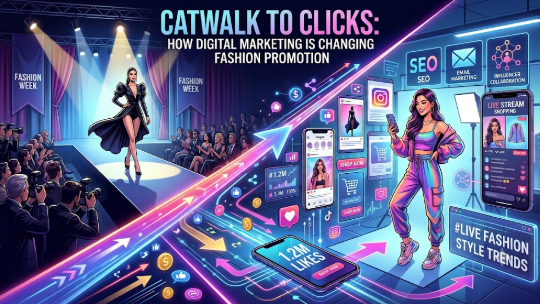
The world of fashion is undergoing a major transformation. A runway show that was once limited to a physical audience of designers, buyers and fashion enthusiasts has now become a global digital experience. With the rise of social media, online platforms and creative digital campaigns, fashion brands are finding new ways to connect with audiences beyond geographical boundaries.
Today, a successful fashion show is not just about showcasing a collection; it is about creating an emotional connection, telling a brand story and building a lasting digital presence.
The Power of Storytelling in Fashion
Every successful fashion show begins with a strong vision. The theme of the collection, the choice of fabrics, the runway design, music and lighting all contribute to creating a memorable experience.
Modern fashion designers are focusing on storytelling by connecting their collections with culture, sustainability, lifestyle and personal expression. A well-planned ramp show allows audiences to understand the inspiration behind the designs and creates a deeper connection with the brand.
In the digital era, this story continues beyond the runway through videos, social media posts and online campaigns.
Digital Marketing: The New Runway for Fashion Brands
Digital marketing has become one of the most powerful tools for fashion promotion. Brands are no longer dependent only on traditional advertising methods; they are using social media, websites, influencer collaborations and online campaigns to reach millions of potential customers.
Before a fashion show begins, brands create excitement through teaser videos, behind-the-scenes content, designer interviews and exclusive previews. These strategies help build curiosity and encourage audiences to follow the event.
A strong digital campaign can turn a single fashion show into a trending topic and increase brand visibility worldwide.
Social Media Creates Global Fashion Communities
Platforms like Instagram, YouTube and other digital channels have changed the way people experience fashion. Audiences can now watch runway moments, explore new collections and follow designers from anywhere in the world.
Short videos, live updates and interactive content allow fashion brands to engage directly with consumers. This instant connection helps designers understand customer preferences and build stronger relationships with their audience.
Social media has also given opportunities to emerging designers who can showcase their creativity without depending only on traditional fashion platforms.
Influencers Bring Fashion Closer to Consumers
Fashion influencers and digital creators have become important partners for brands. Their personal style, reviews and creative content help introduce collections to new audiences.
Unlike traditional advertisements, influencer collaborations often feel more personal and relatable. Consumers increasingly look towards digital creators for fashion inspiration, styling ideas and product recommendations.
By working with the right influencers, fashion brands can improve engagement, strengthen credibility and reach specific target audiences.
Creating a Complete Digital Experience After the Show
A fashion show continues long after the final walk on the runway. The content generated during the event becomes an important marketing resource.
High-quality photographs, designer stories, collection videos, interviews and customer interactions help maintain audience interest. Brands can use this content across websites, social media platforms and online advertisements to extend the impact of the show.
A well-managed post-event digital strategy helps convert attention into brand loyalty and business growth.
Technology and the Future of Fashion Marketing
Technology is opening new possibilities for the fashion industry. Virtual fashion shows, artificial intelligence, digital styling tools and online shopping experiences are changing how people discover and purchase fashion.
The future of fashion will not only depend on creativity but also on how effectively brands use technology to communicate with their audiences.
Designers who combine artistic vision with digital marketing skills will have greater opportunities to build strong global brands.
Conclusion: The Runway Has Entered the Digital World
Fashion is no longer limited to a stage or a season. It has become a continuous conversation between brands and consumers. A successful fashion show today combines creativity, technology and digital storytelling to create an experience that reaches far beyond the runway.
The future of fashion belongs to those who can design beautiful collections while also creating meaningful digital connections with the world.