
Dusky skin tones are beautifully rich and naturally radiant, ranging from warm golden-browns to deep cocoa shades. This depth allows for a wide variety of blush options, but the key lies in selecting shades that enhance rather than overpower your complexion. The most flattering blush is one that works in harmony with your undertone and brings out a healthy, natural glow.
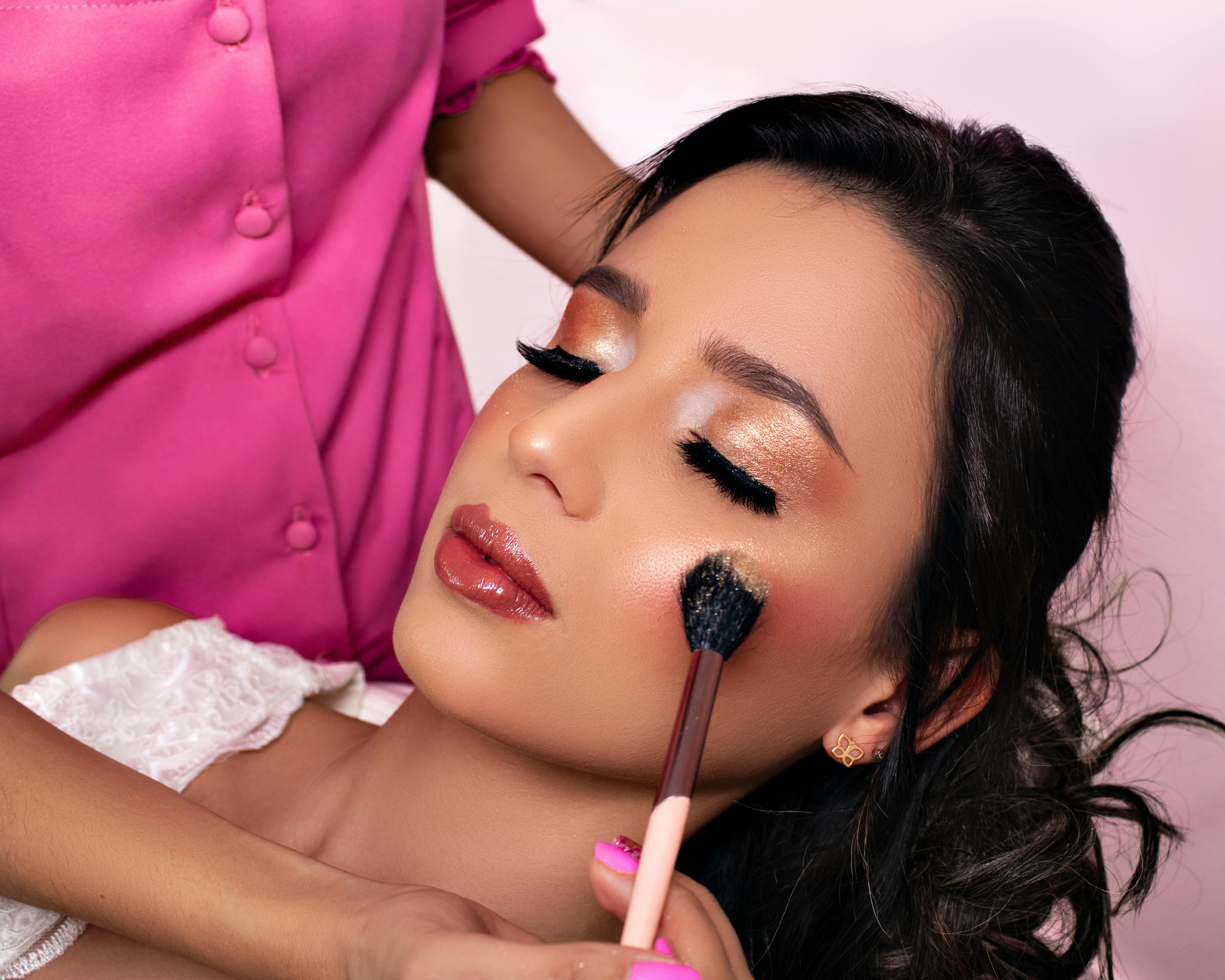
Understanding Dusky Skin and Its Undertones
Dusky complexions can carry different undertones warm, cool, or neutral and this plays a major role in makeup selection.
- Warm undertones tend to pair well with earthy and sun-kissed colors like peach, coral, and terracotta. These shades enhance natural warmth and create a soft glow.
- Cool undertones are complemented by tones such as rose, mauve, plum, and berry, which add freshness and contrast.
- Neutral undertones have the advantage of flexibility, as both warm and cool shades tend to suit them well.
Since dusky skin is naturally rich in pigment, it can carry deeper and more vibrant blush shades beautifully when blended properly.
Why Blush Choice Makes a Difference
Blush is more than just a color on the cheeks—it helps define facial structure, adds dimension, and creates a healthy-looking complexion. On dusky skin, the wrong shade—especially very pale, chalky, or ashy tones—can make the face appear flat or uneven.
In contrast, well-pigmented shades enhance natural warmth and give the skin a lively, radiant finish. The goal is balance: a color that lifts the face without looking artificial.
Most Flattering Blush Shades for Dusky Skin
Certain blush tones consistently complement deeper skin tones:
Peach & Soft Coral
These shades add an instant freshness to the face. They blend smoothly into dusky skin and create a naturally warm, everyday glow.
Berry & Plum Tones
Perfect for more defined or evening looks, these shades add richness and depth. When applied lightly, they enhance facial features without looking heavy.
Bronze & Terracotta Shades
These earthy tones mimic a natural sun-kissed effect and work especially well with golden or warm undertones, giving a healthy, glowing finish.
Cream or Powder: Which Works Better?
Both cream and powder blushes have their own strengths, and the best choice depends on skin type and desired finish.
- Cream blush melts into the skin, delivering a dewy, fresh appearance. It’s ideal for dry or combination skin and creates a natural, skin-like glow.
- Powder blush offers a more structured and matte finish with better longevity, making it suitable for oily or combination skin types.
Trying both formulas can help you discover which texture complements your skin and routine better.
How to Test and Apply Blush Correctly
To find the right shade, always test blush in natural daylight. Apply a small amount on your cheeks and observe how it blends with your skin tone rather than judging it in packaging or artificial lighting.
For application:
- Identify the apples of your cheeks by smiling gently.
- Apply a light layer first, then build intensity if needed.
- Blend upward toward the temples for a lifted effect.
This technique ensures a soft, natural-looking flush rather than harsh color patches.
Matching Blush with Makeup Styles
Your overall makeup look should guide your blush selection:
- Minimal or natural looks work best with soft shades like muted peach or gentle rose.
- Bold or glam makeup pairs well with deeper tones such as plum, brick red, or rich coral.
- If your eye makeup is dramatic, keep blush subtle; if eyes are minimal, you can experiment with stronger blush tones.
A balanced approach keeps the entire look cohesive and visually appealing.
Blending Techniques for a Seamless Finish
Good blending is essential for a polished result.
- Use a soft, fluffy brush for even application.
- Start with a small amount of product and gradually build up.
- Blend in circular or upward motions to avoid visible edges.
- If needed, lightly set with translucent powder to improve staying power.
Well-blended blush should look like a natural flush rather than a separate layer of makeup.
Common Mistakes to Avoid
Several common errors can affect the final look:
- Choosing shades that are too light or ashy, which can wash out deeper skin tones.
- Applying too much product at once, leading to uneven patches.
- Ignoring undertones when selecting colors.
- Skipping blending, which can make blush look harsh or unnatural.
Avoiding these mistakes ensures a smoother, more flattering finish.
Final Thoughts
Finding the perfect blush for dusky skin is a mix of understanding undertones, exploring different shades, and refining application techniques. There is no single universal shade—what matters most is how well the color enhances your natural complexion.
From soft peach tones to rich berry hues, the right blush should highlight your features and bring warmth to your face. With a bit of experimentation and the right technique, you can discover a shade that feels like a natural extension of your skin.
