Digital fashion shows are transforming the traditional fashion industry, offering a dynamic alternative to in-person runway events. Initially considered a niche innovation, their popularity has surged due to accessibility, sustainability, and adaptability to global circumstances, including the COVID-19 pandemic. Unlike traditional shows that cater to a limited audience, digital formats allow global participation, democratizing fashion and engaging enthusiasts, influencers, and everyday consumers alike.
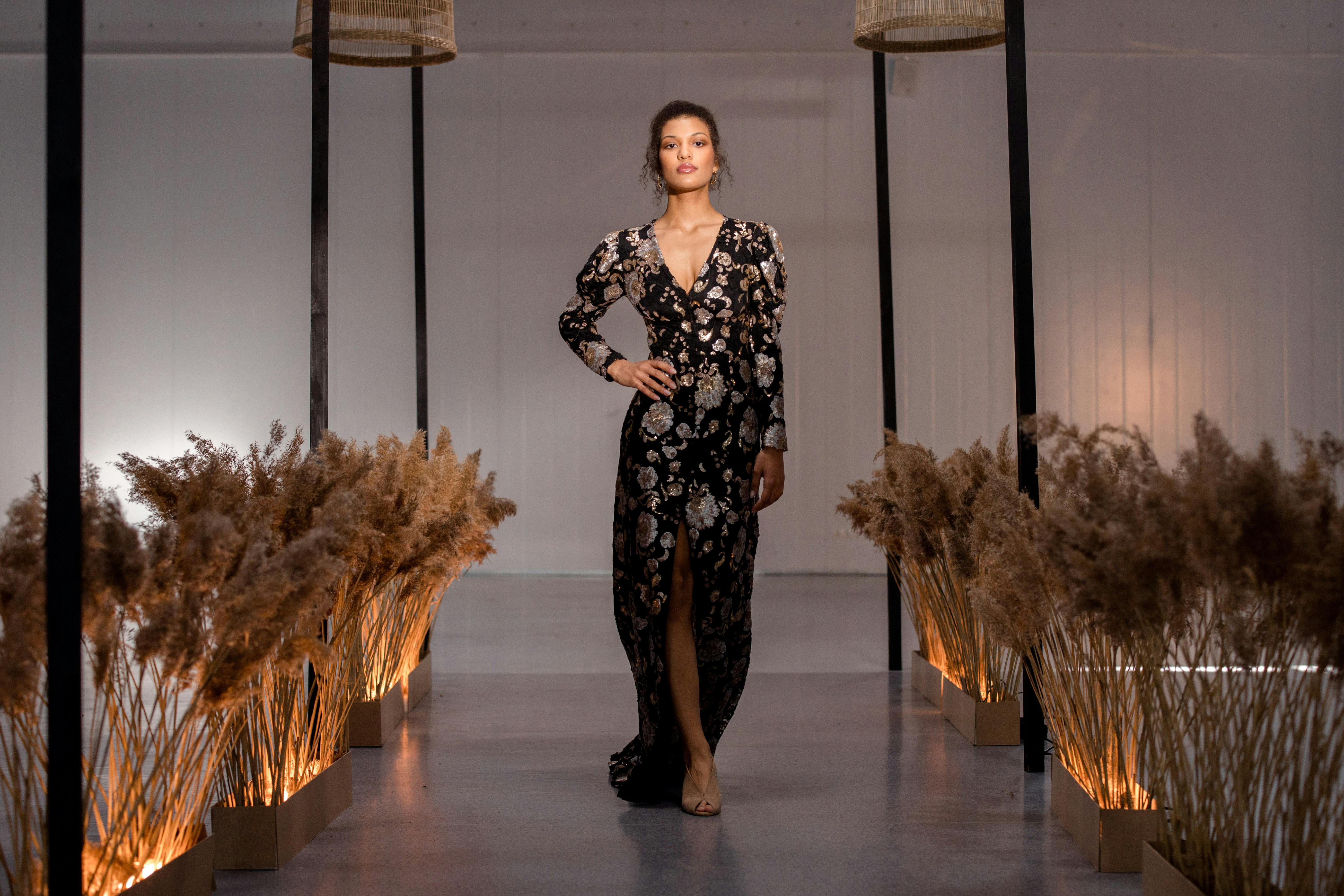
Runways to Screens: The Evolution of Fashion
Fashion shows have evolved significantly over the centuries. Beginning as exclusive salon presentations in the 19th century, they showcased designers’ collections to select clients and industry figures. With the rise of photography, magazines, and large-scale runway shows in the 20th century, events became more theatrical and public, blending artistry with spectacle. The advent of live streaming in the digital age, beginning notably with Burberry in 2009, marked a turning point—shattering exclusivity and enabling global engagement. The COVID-19 pandemic further accelerated the adoption of digital and hybrid formats, integrating virtual reality (VR) and augmented reality (AR) to enrich the viewing experience.
Technological Innovations
Digital fashion presentations leverage 3D modeling, AR, and VR to create immersive, interactive experiences. 3D modeling allows lifelike representations of garments, highlighting textures, colors, and movement. AR enables viewers to virtually “try on” clothing, bridging the gap between physical and digital shopping, while VR provides a 360-degree immersive runway experience. These technologies not only expand creative possibilities for designers but also enhance engagement for global audiences.
Impact on Designers and Brands
Digital platforms have reshaped marketing strategies, enabling designers to reach broader audiences while maintaining brand identity. Real-time interaction through live streaming, social media, and embedded e-commerce features strengthens consumer engagement and fosters brand loyalty. However, challenges remain, including differentiating collections in a saturated digital space and maintaining the brand’s traditional aesthetic. High-quality production, technological investment, and innovative storytelling are now essential for digital success.
Consumer Engagement and Participation
Digital shows empower consumers to actively participate in fashion events. Interactive features such as live chats, social media integration, and direct purchasing options create immersive experiences, allowing consumers to engage with collections beyond passive observation. This democratization of fashion enhances accessibility while building communities around shared experiences.
Sustainability and Environmental Benefits
The shift to digital platforms addresses environmental concerns by reducing travel, set construction, and material waste associated with traditional shows. Brands like Balenciaga and Stella McCartney have embraced these formats, highlighting sustainability while providing global audiences access to their collections. Digital fashion thus aligns with growing consumer demand for responsible and eco-friendly practices.
Challenges of Digital Fashion Shows
Despite their advantages, digital fashion shows face obstacles. Technical glitches, content over-saturation, and the lack of tactile experience can diminish viewer engagement. Unlike physical shows, the emotional impact and exclusivity are harder to replicate digitally, requiring designers to innovate continuously to retain audience attention.
Future Trends
The future likely lies in hybrid models that combine physical and digital elements, offering both exclusivity and global access. Artificial intelligence (AI) may further personalize experiences by analyzing audience preferences and tailoring content accordingly. Advances in AR and VR will allow viewers to virtually try on outfits and interact within digital environments, transforming passive audiences into active participants.
Conclusion
Digital fashion shows represent a pivotal evolution in the fashion industry, combining accessibility, sustainability, and technological innovation. While they do not fully replace the tactile and emotional impact of traditional runways, they expand engagement, foster consumer interaction, and offer eco-conscious alternatives. As hybrid models and immersive technologies become mainstream, the industry is poised to embrace a new normal—one that merges creativity, technology, and inclusivity, reshaping how fashion is experienced worldwide.