
Sunscreen has evolved far beyond being a last-minute step before stepping out. This World Sunscreen Day, dermatology-led innovation is reshaping how we think about sun care, positioning it not just as protection, but as the foundation of any effective skincare routine.
With rising awareness around concerns like pigmentation, premature ageing, and barrier damage, sun protection is increasingly being paired with targeted skincare benefits, making it easier to integrate into everyday use.
Here’s how newer formulations—and smarter habits—are changing the way we approach sunscreen today:
1. When Sun Care Meets Skin Correction
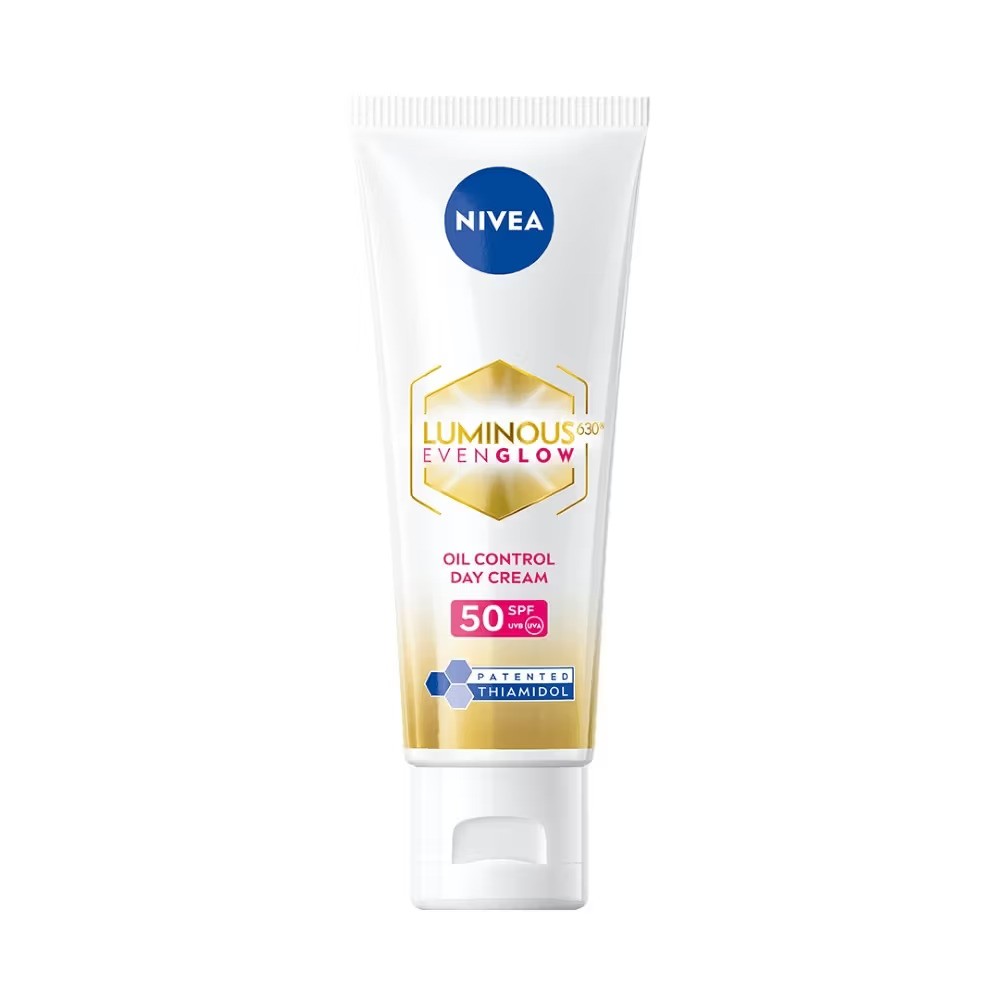
Products like the NIVEA Luminous Even Day Cream SPF 50 reflect a growing shift towards multifunctional routines. Alongside broad-spectrum protection, ingredients such as Thiamidol target pigmentation at its source, while hyaluronic acid supports hydration.
Tip: Apply sunscreen as the final step of your morning skincare routine, allowing any treatment serums underneath to fully absorb. This helps active ingredients work effectively without being diluted.
2. Making Sunscreen Work for Oily and Combination Skin
Texture has long been a barrier to consistent sunscreen use, especially for oily or acne-prone skin. Lightweight formats like the Eucerin Oil Control Gel Cream SPF 50+ are designed to address this, offering matte finishes and oil-regulating ingredients such as L-Carnitine.
Tip: For humid climates or long days outdoors, opt for gel-based or non-comedogenic formulas and reapply using lightweight layers rather than heavy creams to avoid buildup.
3. Addressing Pigmentation at the Protection Stage
Sun exposure remains one of the primary triggers for uneven skin tone. Products like the Eucerin Pigment Control SPF 50+ combine UV filters with actives such as Thiamidol, working on melanin production while protecting the skin.
Tip: Reapplication is key—every 2–3 hours when outdoors. Even the most advanced formulations cannot maintain effectiveness without consistent top-ups.
4. Why Pairing Treatment with SPF Matters
Dermatologists often emphasize that treating pigmentation without sun protection can limit visible results. Using targeted treatments like the Eucerin Anti-Pigment Dual Serum alongside a high-SPF sunscreen supports a more comprehensive approach.
Tip: Think of sunscreen as a “protector” rather than a standalone product—it helps preserve the results of your entire skincare routine, from brightening to anti-ageing.
5. Building Sunscreen into Everyday Habits
Beyond formulations, the real shift lies in behavior. Daily sunscreen use—whether indoors near windows, during commutes, or on cloudy days—is increasingly seen as non-negotiable.