
Introduction to Moscow Fashion Week
Moscow Fashion Week, a prominent cultural and fashion extravaganza, has established itself as a significant event within the global fashion industry since its inception in 2000. The event aims to cater not only to fashion professionals but also to the general public, emphasizing Russia’s unique contribution to contemporary fashion. Over the years, it has gained international recognition, attracting designers, buyers, and fashion aficionados from around the world. This attraction has firmly positioned Moscow as a key player in the fashion sphere, alongside other major fashion capitals such as Paris and Milan.
This influential platform provides an opportunity for both established and emerging Russian designers to showcase their collections, reflecting the nation’s rich heritage, artistry, and innovative spirit. Each season, Moscow Fashion Week features a diverse range of runway shows and exhibitions that highlight a fusion of traditional Russian aesthetics and modern design elements. The event serves as a launchpad for local talents, allowing them to gain exposure and recognition on an international stage, which is vital for their growth and development in the competitive fashion landscape.
Highlights from the Latest Moscow Fashion Week
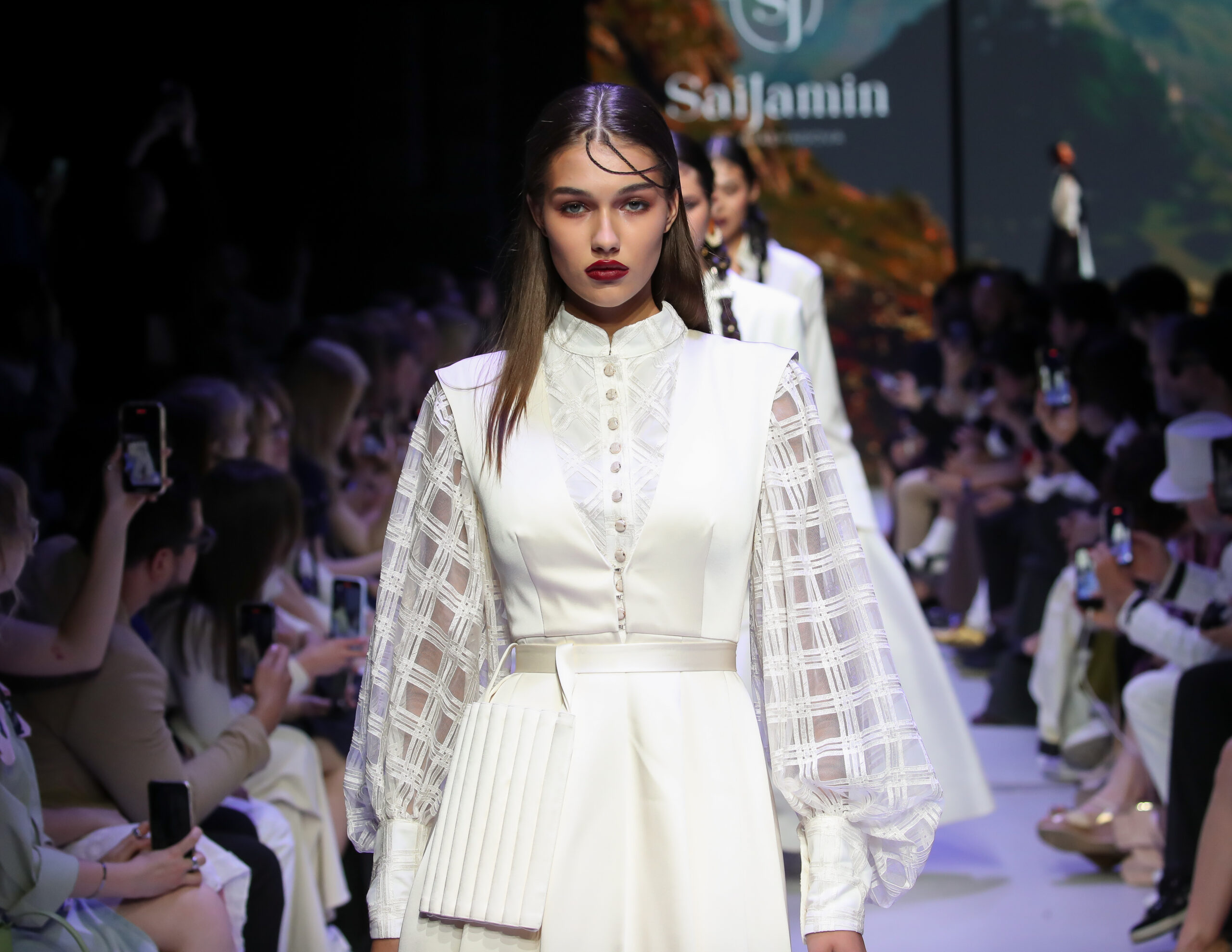
The most recent Moscow Fashion Week showcased a diverse array of collections, featuring both established and emerging designers who have significantly influenced the fashion landscape. This year, the event was marked by a blend of tradition and innovation, with designers drawing inspiration from both cultural heritage and contemporary trends. Among the standout presentations, one particular collection that resonated strongly with attendees was by designer Nina Kolyada, known for her bold use of color and intricate patterns. Her collection, inspired by the rich tapestry of Russian folklore, combined classical elements with modern silhouettes, creating pieces that were both nostalgic and fresh.
Another notable highlight was the showcase by the avant-garde designer Alexei Morozov. His collection pushed the boundaries of conventional fashion with innovative materials and cutting-edge design techniques. Morozov’s use of sustainable fabrics and eco-friendly production methods garnered attention, appealing not only to traditional fashion enthusiasts but also to a growing audience committed to ethical consumption. The interplay of texture and structure in his garments sparked discussions around the future of fashion concerning sustainability, making it a key point of interest during the week.
The runway shows themselves were memorable spectacles, with each designer executing their visions with meticulous attention to detail. The energetic atmosphere was augmented by live music, which further enhanced the visual narratives crafted by the designers. Fashion critics noted that the blending of artistic performance with fashion displays elevated the overall experience, making it an immersive event for all participants. As a result, this edition of Moscow Fashion Week left a lasting impression, highlighting the creativity and dynamism that the Russian fashion scene continues to offer.
Emerging Trends in Fashion
The recent Moscow Fashion Week has showcased a diverse array of emerging trends, reflecting both local and global cultural influences. This season, designers have embraced an eclectic mix of color palettes that range from muted earth tones to vibrant hues, demonstrating a keen awareness of contemporary societal moods and sensory experiences. For instance, soft pastels, once confined to spring collections, are now making their mark across fall lines, hinting at a shift towards optimism in an uncertain world.
Fabric choices at Moscow Fashion Week have also turned heads. Traditional materials like wool and silk are being reimagined alongside innovative tech fabrics that offer functionality without compromising style. A notable trend is the use of sustainable and organic textiles, aligned with global calls for ethical fashion. This shift not only highlights environmental consciousness but also showcases a commitment to maintaining cultural heritage through craftsmanship.
Moreover, the silhouettes presented this season reflect a mix of structure and fluidity. Oversized blazers, a nod to the ’80s, have been tailored for modern sensibilities, often paired with form-fitting trousers or flowing skirts that emphasize versatility. This juxtaposition of tailored and relaxed fits aligns well with contemporary lifestyles where comfort and style coexist. Accessories, too, have taken center stage, with bold statement pieces, such as oversized hats and chunky jewelry, drawing attention and allowing for personalization in fashion choices.
The trends observed at Moscow Fashion Week not only underline the dynamic nature of fashion but also echo broader cultural movements within Russia and beyond. This interplay between design and societal context exemplifies how fashion can serve as a mirror reflecting the collective spirit, aspirations, and identity of a population while engaging with the global landscape of style.
Influence of Russian Culture on Fashion Trends
The rich tapestry of Russian culture has long served as a wellspring of inspiration for the fashion industry, and this influence is prominently highlighted during events like Moscow Fashion Week. Traditional Russian attire, characterized by its intricate designs, bold colors, and distinctive patterns, continues to shape contemporary fashion trends. Designers often draw from historical garments such as the sarafan and kokoshnik, incorporating elements of these classic styles into modern collections. The result is a unique blend of heritage and innovation that captivates the fashion world.
Cultural motifs, such as folk embroidery and delicate lacework, have become staples in modern couture, reflecting the artistry and craftsmanship that are hallmarks of Russian traditions. This integration is not merely aesthetic; it conveys a sense of identity and narrative. Russian designers take pride in showcasing their heritage, allowing global audiences to appreciate the depth and diversity of their cultural fabric. By highlighting these elements on the catwalk, they infuse fresh perspectives into the current fashion landscape.
Moscow Fashion Week serves as a platform where these influences converge, showcasing collections that embody the essence of Russian culture while adhering to contemporary fashion sensibilities. Each season, designers carefully craft pieces that resonate not only with local consumers but also with an international audience keen on exploring the nuances of Russian style. This cultural dialogue is paramount, as it fosters a greater understanding of how traditions can be reimagined in modern contexts.
Overall, the enduring influence of Russian culture on fashion trends underscores the importance of heritage in contemporary design. As Moscow Fashion Week continuously evolves, it remains a celebration of both past and present, bridging the gap between traditional aesthetics and modern innovation.
Sustainable Fashion: A Growing Trend in Moscow
The fashion industry is undergoing a significant transformation, with sustainability emerging as a pivotal focus at various global events, including Moscow Fashion Week. Recognizing the urgent need for environmental responsibility, numerous designers and brands showcased their commitment to eco-friendly practices during this year’s event. With increasing awareness of environmental issues among consumers, the incorporation of sustainable fashion practices has become essential to the contemporary fashion narrative.
At Moscow Fashion Week, several notable designers presented collections that prioritized sustainable materials, demonstrating that creativity and environmental consciousness can coexist. For instance, brands utilizing organic cotton, recycled fabrics, and innovative materials like Tencel have garnered attention for reducing the ecological footprint of their production processes. Such choices not only cater to a more environmentally aware audience but also signify a broader acceptance of sustainable fashion as a legitimate and stylish choice.
Moreover, the ethical production methods advocated by these designers have become prominent themes at the event. Many brands are now prioritizing transparency in their supply chains, ensuring that labor practices meet ethical standards. By advocating for fair wages and safe working conditions, these brands are not only empowering workers but also fostering a more responsible practice within the fashion industry. The emphasis on ethical labor, combined with sustainable material choices, reflects a holistic approach to fashion that resonates well with the current ethical consumerism movement.
In conclusion, the commitment to sustainability observed at Moscow Fashion Week highlights a significant shift toward a more responsible fashion industry. With designers leading the charge and consumer demand rising, sustainable fashion is not just a fleeting trend; it is reshaping the future of fashion in Moscow and beyond. As the industry continues to evolve, the integration of eco-friendly practices will undoubtedly play a crucial role in establishing a more sustainable fashion framework.
Fashion Icons and Influencers at the Event
Moscow Fashion Week has consistently attracted a plethora of renowned fashion icons and influencers, each bringing their unique style and flair to the event. Among the luminaries present this year were notable figures such as renowned designer Vika Gazinskaya and celebrated model Darya Klyukina. These influencers not only possess a significant following but also embody the essence of contemporary fashion, effortlessly merging artistry with commercial appeal. Their participation at the event underscores the mutual influence between established designers and emergent fashion trends.
The fashion icons present at Moscow Fashion Week play a crucial role in shaping public perception of the latest collections. Their personal styles often set benchmarks for originality and creativity within the fashion community. For instance, model and style influencer Ulyana Sergeenko showcased an exquisite blend of modern aesthetics and vintage inspirations, capturing the attention of both attendees and media alike. As they navigate the realm of social media, these icons leverage platforms like Instagram and TikTok to share their experiences, effectively promoting the event to wider audiences. Their curated posts not only highlight the glamour of the shows but also draw attention to emerging trends and innovative designs.
Collaborations between designers and influencers have become increasingly prevalent during events like Moscow Fashion Week. These partnerships often culminate in exclusive line launches or capsule collections, directly driven by the aesthetic preferences of the influencers. For instance, collaborations can elevate a designer’s visibility, attracting a younger demographic that values authenticity and direct engagement with fashion icons. This symbiotic relationship enhances the overall landscape of fashion promotion, leveraging the strong online presence of influencers to garner attention and generate buzz around the seasonal trends unveiled at the event.
The Role of Technology in Modern Fashion Shows
In contemporary fashion presentations, technology has become an indispensable element, enhancing the overall experience for both designers and audiences alike. At Moscow Fashion Week, various innovative technologies were implemented to create a more immersive and engaging environment. Among these advancements, virtual reality (VR) experiences garnered significant attention. Attendees were able to don VR headsets to virtually experience runway shows from unique viewpoints, enabling them to feel as if they were part of the action. This approach not only captivated spectators but also allowed designers to showcase their collections in unconventional formats, effectively blurring the lines between reality and digital representation.
Moreover, digital lookbooks emerged as a crucial addition to the traditional fabric of fashion exhibitions. These interactive platforms allowed brands to present their collections through visually stunning, easy-to-navigate formats, complete with detailed insights about each piece. By incorporating elements such as video content and augmented reality features, designers could provide viewers with a richer understanding of their artistic vision. This transition to digital formats aligns with the growing trend of sustainability in fashion, where minimizing physical prints and utilizing electronic mediums stand to lessen environmental impact.
Additionally, the live streaming of runway shows has revolutionized audience engagement by enabling fashion enthusiasts worldwide to witness the latest trends in real time. Through online platforms, viewers can partake in the spectacle from the comfort of their homes, enhancing accessibility and democratizing the fashion experience. This shift in viewing habits signifies a transformative change in how the fashion industry communicates with its audience, sparking conversations and engagement that were previously limited to exclusive venues. Overall, the integration of technology at Moscow Fashion Week exemplifies a modern approach to fashion shows, making them more interactive, accessible, and environmentally conscious.
Street Style Inspirations from Moscow
Moscow Fashion Week not only showcases the creativity and ingenuity of designers through the runway, but it also presents a vibrant tapestry of street style that captures the essence of the city’s fashion scene. The street fashion observed during this event provides an exciting glimpse into the personal styles of attendees, local fashion enthusiasts, and influencers, reflecting their unique interpretations of contemporary fashion trends.
The streets surrounding Moscow Fashion Week buzz with activity as individuals express their sartorial choices that might either mirror or starkly contrast the looks paraded on the runway. Notably, local fashionistas often blend high-end pieces with vintage finds, creating a look that is distinctive and representative of their individuality. This amalgamation of styles typically showcases bold colors, oversized silhouettes, and eclectic accessories, all of which highlight a flair for experimentation that is prevalent in Moscow’s street style.
The juxtaposition of runway fashion and street style can be quite telling. While runway models exhibit curated, often avant-garde aesthetics, the attendees enrich the fashion narrative with realism and practicality. A sleek tailored outfit on the runway might inspire a fashionable attendee to incorporate street elements, such as chunky sneakers or a thrifted jacket, to create a more personal and adaptive wardrobe. Furthermore, the adoption of cultural influences often emerges as a dominant trend in street fashion, where individuals may opt for traditional Russian garments updated with contemporary styling, thereby fostering a broader discourse about identity and heritage in fashion.
As the lines between high fashion and streetwear blur, Moscow’s street style during Fashion Week serves as a powerful reminder that true artistry in fashion is not confined to the runway but flourishes in the creativity found in everyday wear. This dynamic exchange between runway trends and street style signals an evolving landscape in the fashion world, inviting further exploration into how cultural narratives manifest through clothing choices in urban settings.
Looking Ahead: Future Trends in Russian Fashion
As we observe the dynamic landscape of the Russian fashion industry, it becomes evident that Moscow Fashion Week will continue to play a pivotal role in shaping upcoming trends. In the following seasons, we anticipate a distinctive blend of traditional and contemporary influences that reflects both global and local attributes. The rise of sustainability in fashion is expected to penetrate Russian markets, with designers increasingly embracing eco-friendly materials and ethical production practices. This shift not only aligns with worldwide movements but also resonates with a growing demographic of environmentally conscious consumers in Russia.
Alongside sustainability, digital fashion shows and hybrid events are likely to become integral components of Moscow Fashion Week. The adoption of technology in showcasing collections has proven effective during the pandemic and continues to attract broader audiences through online platforms. This evolution allows for innovative presentations and increased accessibility, which may lead to greater international recognition for emerging Russian designers. As the fashion community transitions back to physical events, a fusion of in-person and virtual experiences could redefine how collections are introduced to the world.
Furthermore, the future of Russian fashion is poised for diversification. The emergence of new designers is anticipated, particularly those who integrate influences from various cultures, reflecting the increasingly multicultural fabric of Russian society. These designers may introduce unconventional craftsmanship and new silhouettes that challenge traditional conventions. With heightened emphasis on individuality and self-expression, we expect to see a surge of designs that encapsulate personal narratives, innovatively merging heritage with modernity.
In summary, the evolving trends within the Russian fashion industry, showcased at Moscow Fashion Week, indicate a promising direction characterized by sustainability, technological integration, and the rise of fresh talents. The coming seasons will be crucial as they shape not only the future of Russian fashion but also enhance its global appeal.