
Fashion design is a dynamic discipline that blends creativity with technical skill, focusing on clothing, accessories, and footwear. Beyond aesthetics, it requires an understanding of fabrics, color theory, cultural influences, and market trends. In today’s fast-evolving fashion industry, formal education has become increasingly important for those who want to refine their creative abilities and build successful careers.
Importance of Fashion Design Education
A fashion design course provides structured training that helps students develop both artistic vision and practical expertise. Learners are guided through the entire design process from ideation and sketching to fabric selection and garment production—while also gaining insight into consumer behavior and industry demands.
Such programs encourage students to balance creativity with functionality, ensuring their designs are not only visually appealing but also commercially viable. Collaboration is another key aspect, as designers often work alongside textile experts, marketers, and production teams in professional environments.
Core Subjects in Fashion Design
A well-rounded curriculum typically includes several foundational subjects:
Textiles: Students learn about different fabrics, their properties, textures, and suitability for various designs. This knowledge is essential for making informed design decisions.
Garment Construction: This subject focuses on pattern making, stitching, and assembling garments. It teaches how to transform sketches into wearable clothing with proper fit and structure.
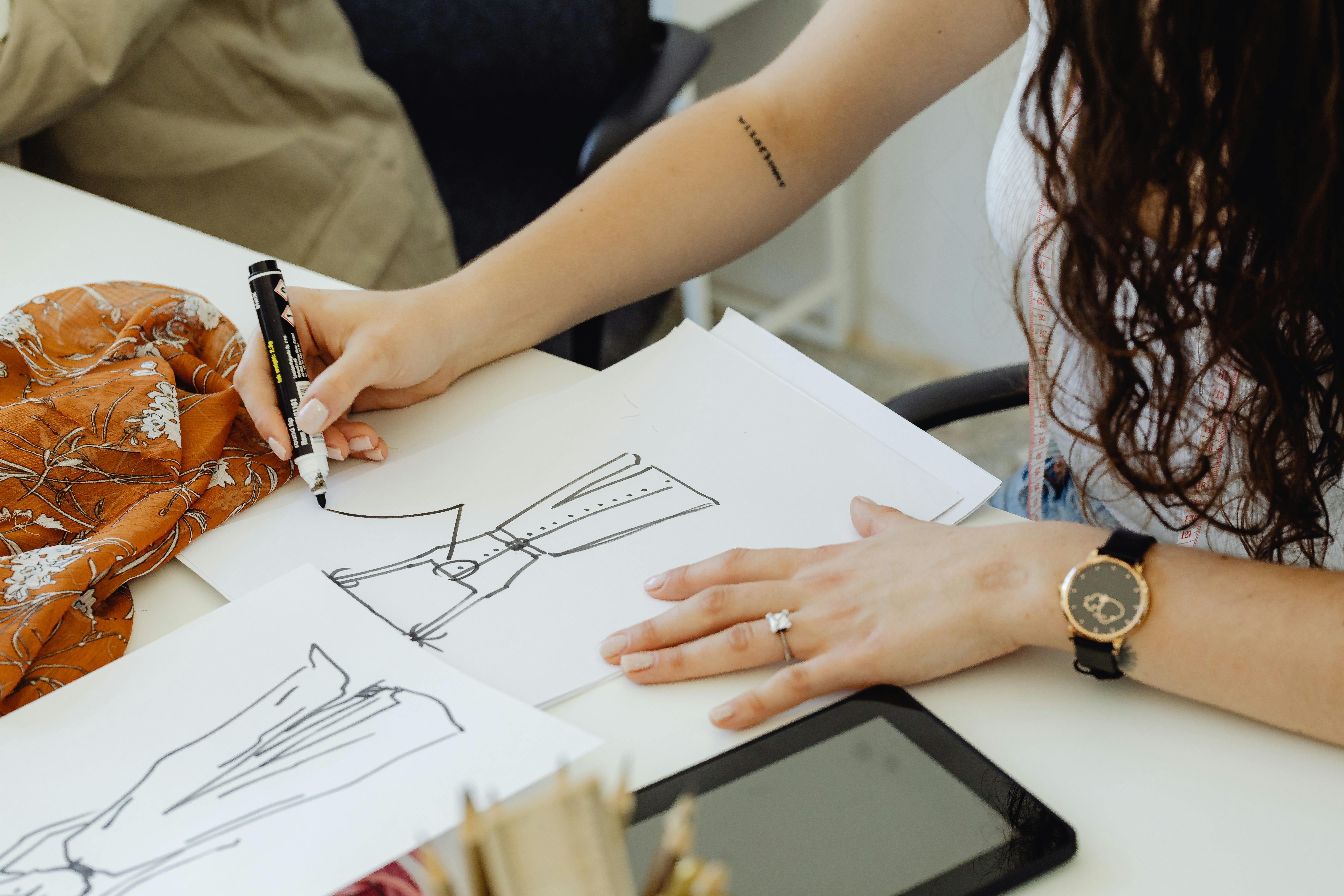
Fashion Illustration: Students develop drawing skills to visually communicate ideas, including sketching techniques, color usage, and presentation methods.
Digital Design: Modern fashion education integrates software tools for creating digital sketches, technical drawings, and 3D garment visualizations, improving both creativity and efficiency.
Together, these subjects build a strong foundation for entering the fashion industry.
Development of Technical Skills
Technical training is a major component of fashion education. Students gain hands-on experience in:
- Sewing techniques and garment finishing
- Pattern drafting and alteration
- Draping fabric on mannequins to explore structure and flow
- Computer-aided design (CAD) for digital garment creation
These skills help students translate ideas into professional-quality fashion pieces while preparing them for real-world production environments.
Creative Skills and Design Principles
Creativity lies at the heart of fashion design. Students are introduced to key design principles such as balance, harmony, contrast, and emphasis. These concepts help in creating visually appealing collections.
Color theory plays a major role in shaping design outcomes, influencing mood, emotion, and brand identity. Students also learn to experiment with innovative ideas, encouraging originality and personal expression.
Over time, learners develop their own design identity, which becomes essential for standing out in the competitive fashion market.
Fashion History and Cultural Influence
Understanding fashion history helps students appreciate how style has evolved over time. Past movements, such as the 1920s flapper era, show how fashion reflects social change and cultural identity.
Exposure to global fashion traditions also broadens creative perspectives. Designers learn to draw inspiration from diverse cultures while respecting heritage and avoiding cultural insensitivity. This knowledge helps create designs that are both meaningful and globally relevant.
Industry Knowledge and Professional Practice
Fashion design is closely linked to business. Students are introduced to essential industry concepts such as:
- Market research and trend analysis
- Brand development and identity building
- Fashion marketing strategies, including digital promotion and social media
- Business fundamentals like supply chain management and budgeting
These skills prepare students to understand how fashion operates as an industry, not just an art form.
Guest Lectures and Industry Collaboration
Many fashion programs include guest lectures from industry professionals. These sessions provide valuable insights into current trends, real-world challenges, and career advice.
Collaborations with fashion brands and designers also allow students to work on live projects. Such experiences enhance practical learning, build confidence, and create networking opportunities that are often crucial for career advancement.
Internships and Practical Exposure
Internships are an essential part of fashion education. They allow students to apply classroom knowledge in real industry settings, such as design studios or fashion houses.
Through internships, students:
- Gain hands-on experience in production and design workflows
- Build professional portfolios
- Develop industry connections
- Understand workplace expectations and deadlines
This real-world exposure significantly improves employability after graduation.
Conclusion: Starting a Fashion Career
A fashion design course is more than just academic training—it is the foundation of a creative career. It equips students with technical skills, artistic confidence, and industry awareness needed to succeed in a highly competitive field.
By combining creativity with practical knowledge and real-world experience, aspiring designers can transform their passion into a professional journey. Fashion education marks the beginning of that journey, encouraging continuous learning, innovation, and personal growth.
