
Designer handbags have long been more than just accessories—they are symbols of craftsmanship, identity, and luxury. Combining functionality with artistic design, these pieces reflect personal style while carrying a legacy of heritage and innovation. What began in the 19th century as finely crafted travel and utility items has evolved into a global fashion phenomenon, with handbags now considered both style statements and investment assets.
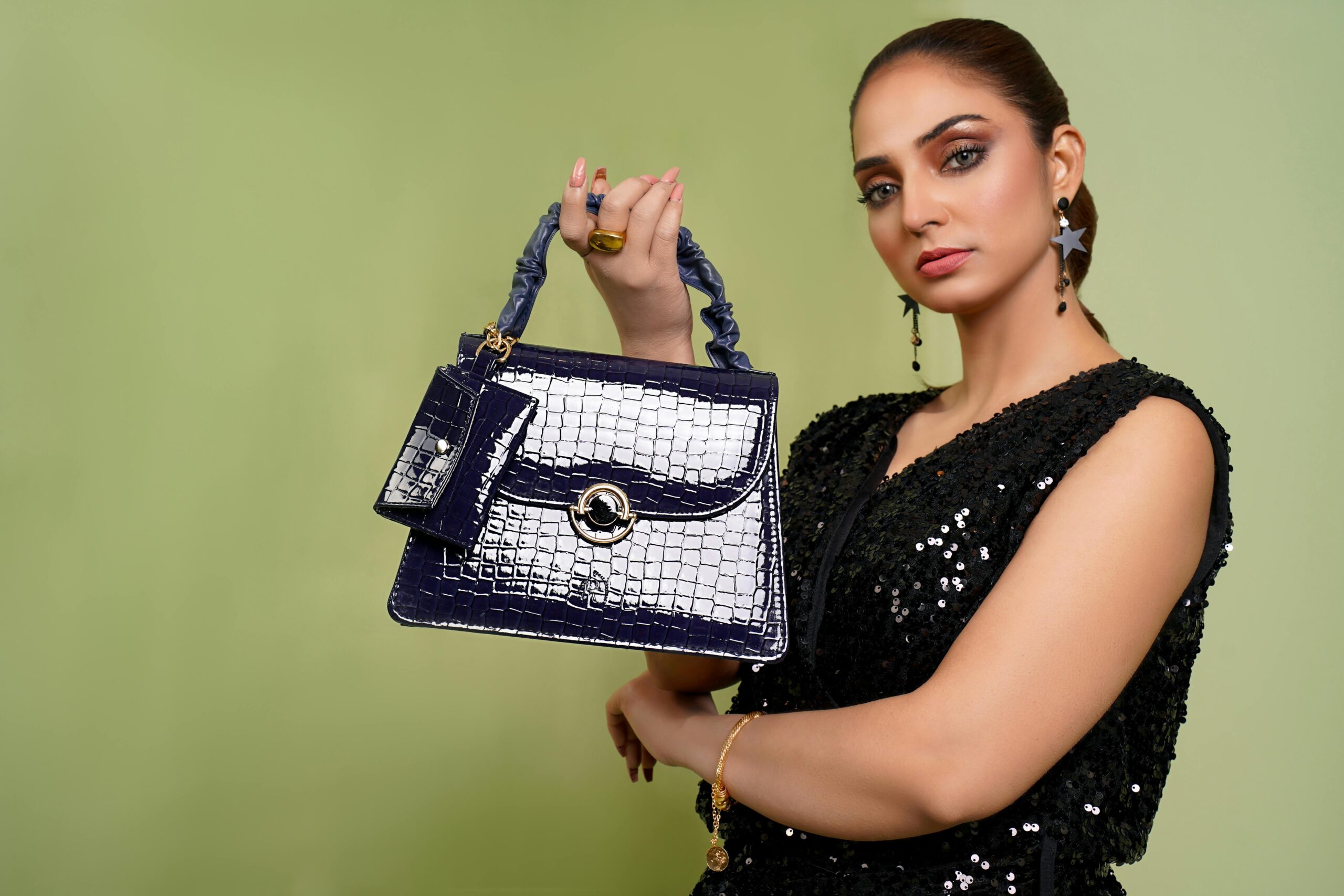
Evolving Trends in 2026
In 2026, the designer handbag industry is being shaped by sustainability, innovation, and bold aesthetics. Eco-conscious consumers are driving demand for bags made from recycled, plant-based, and ethically sourced materials. At the same time, color trends are expanding beyond neutrals to include vibrant tones, pastels, and striking color-block designs that encourage individuality.
Style preferences are also diversifying. Oversized totes remain popular for their practicality, while mini bags continue to appeal to those seeking compact, statement-making pieces. Additionally, technology is influencing design, with features like tracking systems and smart compartments becoming increasingly common.
Iconic Brands Leading the Market
Luxury fashion houses continue to define and redefine handbag culture. Brands like Chanel maintain their reputation for timeless elegance, while Gucci blends heritage with bold, modern creativity. Louis Vuitton consistently innovates through collaborations and signature designs, and Balenciaga pushes boundaries with unconventional, trend-setting styles. These brands not only represent quality but also shape global fashion narratives.
Choosing the Right Handbag
Selecting a designer handbag requires balancing style with practicality. Size and functionality should align with daily needs, whether it’s a spacious tote for work or a compact bag for special occasions. Durability is equally important, as high-quality materials ensure longevity. Ultimately, the ideal handbag is one that complements your wardrobe while reflecting your personal aesthetic.
Care and Maintenance
Maintaining a designer handbag is essential to preserving its value. Regular cleaning with appropriate materials, proper storage in dust bags, and avoiding overloading can prevent damage. Periodic conditioning for leather bags and prompt repairs for minor wear can significantly extend their lifespan.
Are Designer Handbags Worth the Investment?
Designer handbags can serve as valuable investments, particularly when purchased from reputable brands known for retaining value. Limited editions, classic designs, and well-maintained pieces often perform well in the resale market. However, informed buying decisions and awareness of trends are key to maximizing returns.
Sustainability in Luxury Fashion
Sustainability has become a defining factor in the industry. Many brands are adopting eco-friendly materials, ethical production methods, and circular practices such as repair programs and resale initiatives. This shift reflects a growing commitment to reducing environmental impact while meeting modern consumer expectations.
Where to Buy in 2026
Consumers today have multiple options when purchasing designer handbags. Luxury retail stores offer curated in-person experiences, while online platforms provide convenience and access to exclusive collections. The rise of authenticated resale marketplaces has also made it easier to find rare or vintage pieces, appealing to both collectors and sustainability-conscious buyers.
Conclusion
The future of designer handbags lies in the balance between tradition and innovation. As fashion evolves, these accessories will continue to adapt—embracing sustainability, technology, and individuality. Despite changing trends, their core appeal remains the same: a blend of luxury, functionality, and timeless style.