
The fashion industry has experienced a remarkable transformation over time, shaped by cultural shifts, technological progress, and changing consumer expectations. Today, fashion is no longer just about clothing—it reflects identity, values, and global influences. With the rise of digital platforms and social media, trends now emerge and spread faster than ever, redefining how people engage with style.
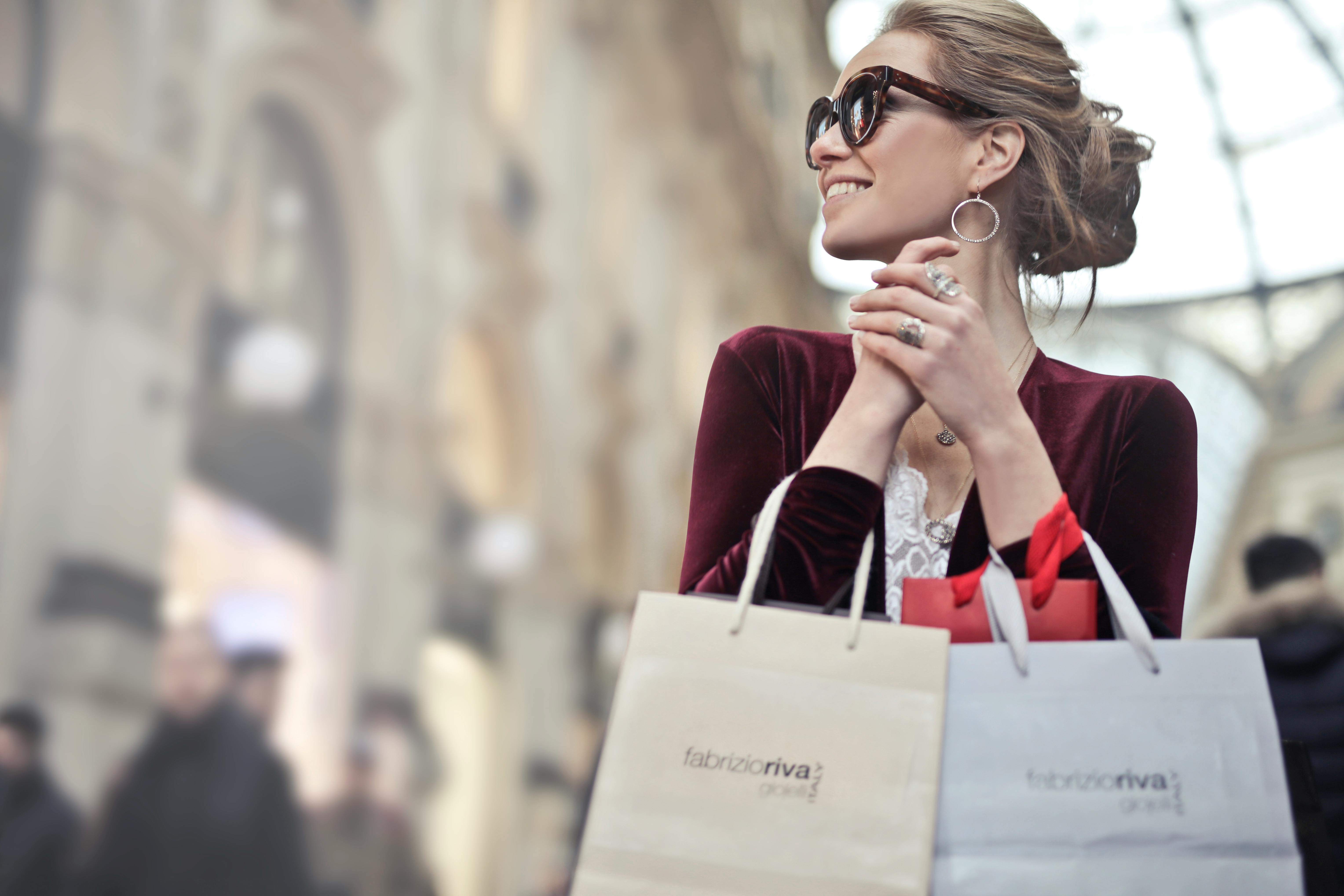
The Changing Face of Modern Fashion
In recent years, fashion has moved beyond traditional boundaries. Social media platforms have become powerful tools for trend creation, where influencers and celebrities play a major role in shaping consumer preferences. Their choices often spark global trends almost instantly, leading to shorter fashion cycles and a constant demand for new styles.At the same time, fashion has become more inclusive and diverse. Brands are increasingly embracing different body types, cultural backgrounds, and gender identities, reflecting a broader understanding of beauty and representation.
The Role of Technology in Fashion
Technology has revolutionized nearly every aspect of the fashion industry, from design to retail.
E-Commerce and Digital Shopping
Online shopping has transformed how consumers access fashion. With just a few clicks, people can explore a wide range of products, compare prices, and make purchases without leaving their homes. This convenience has pushed traditional stores to adapt and create more engaging shopping experiences.
Virtual Try-Ons
Innovations like virtual fitting rooms allow customers to see how clothes might look on them using digital tools. This reduces uncertainty about sizing and fit, improving customer satisfaction and reducing product returns.
Artificial Intelligence
Artificial intelligence is helping brands analyze trends, predict consumer behavior, and personalize shopping experiences. It also assists designers in creating products that align with market demand, making the entire process more efficient.
Sustainability: A New Priority
One of the most significant shifts in fashion is the growing focus on sustainability. Consumers are becoming more aware of the environmental and social impact of their purchases, leading to a demand for ethical and eco-friendly practices.
Sustainability in fashion is not limited to production—it also includes responsible consumption. Consumers are increasingly choosing quality over quantity, supporting brands that align with their values.
Cultural Influence and Diversity in Fashion
Fashion is deeply connected to culture, drawing inspiration from traditions, art, and global communities. This cultural exchange enriches the industry, introducing new designs, patterns, and perspectives.
However, with this influence comes the responsibility of cultural respect. Designers are now more mindful of how they incorporate cultural elements, often collaborating with artisans and communities to ensure authenticity and fairness.
The Importance of Fashion Events
Fashion weeks and trade shows continue to play a vital role in shaping the industry. Events held in major cities showcase upcoming collections and set the tone for future trends.
These platforms provide opportunities for both established designers and emerging talents to gain recognition. They also serve as meeting points for industry professionals, encouraging collaboration and innovation.
Personal Style as Self-Expression
While trends influence fashion, personal style remains a powerful form of self-expression. Clothing allows individuals to communicate their identity, beliefs, and creativity without words.
Developing a personal style involves understanding one’s preferences and experimenting with different looks. It is not about following every trend but about choosing what resonates personally.
The Future of Fashion Retail
The retail landscape is evolving alongside consumer behavior and technological innovation.
Direct-to-Consumer Models
Many brands are now selling directly to customers, eliminating intermediaries and creating stronger relationships. This approach allows for better communication, transparency, and customer engagement.
Subscription Services
Fashion subscription boxes offer curated selections tailored to individual preferences. These services provide convenience and introduce consumers to new styles without the need for extensive shopping.
Omnichannel Experiences
Modern consumers expect a seamless experience across online and offline platforms. Retailers are integrating digital and physical shopping to meet these expectations, creating a more flexible and engaging journey.
The Power of Influencers and Celebrities
Celebrities and influencers continue to shape the fashion industry by setting trends and influencing purchasing decisions. Through social media, they connect directly with audiences, making fashion more accessible and relatable.
Collaborations between brands and influencers have become a key marketing strategy, helping companies reach targeted audiences effectively. Beyond trends, many influencers also promote important values such as sustainability and body positivity, encouraging more thoughtful consumption.
Embracing the Future of Fashion
The fashion industry is constantly evolving, driven by innovation, cultural awareness, and changing consumer values. Sustainability, technology, and inclusivity are no longer optional—they are essential components of modern fashion.
Ultimately, fashion is more than just style—it is a reflection of who we are and the world we live in. By embracing change and encouraging creativity, the future of fashion promises to be more inclusive, sustainable, and inspiring than ever before.
