
Navigating the Competitive Fashion Landscape
The fashion industry has become increasingly competitive, with a growing number of designers entering the market each year. While this expansion creates opportunities for innovation, collaboration, and global exposure, it also intensifies competition for visibility and consumer attention. Emerging designers must now compete not only with established fashion houses but also with independent labels and digital-first brands.
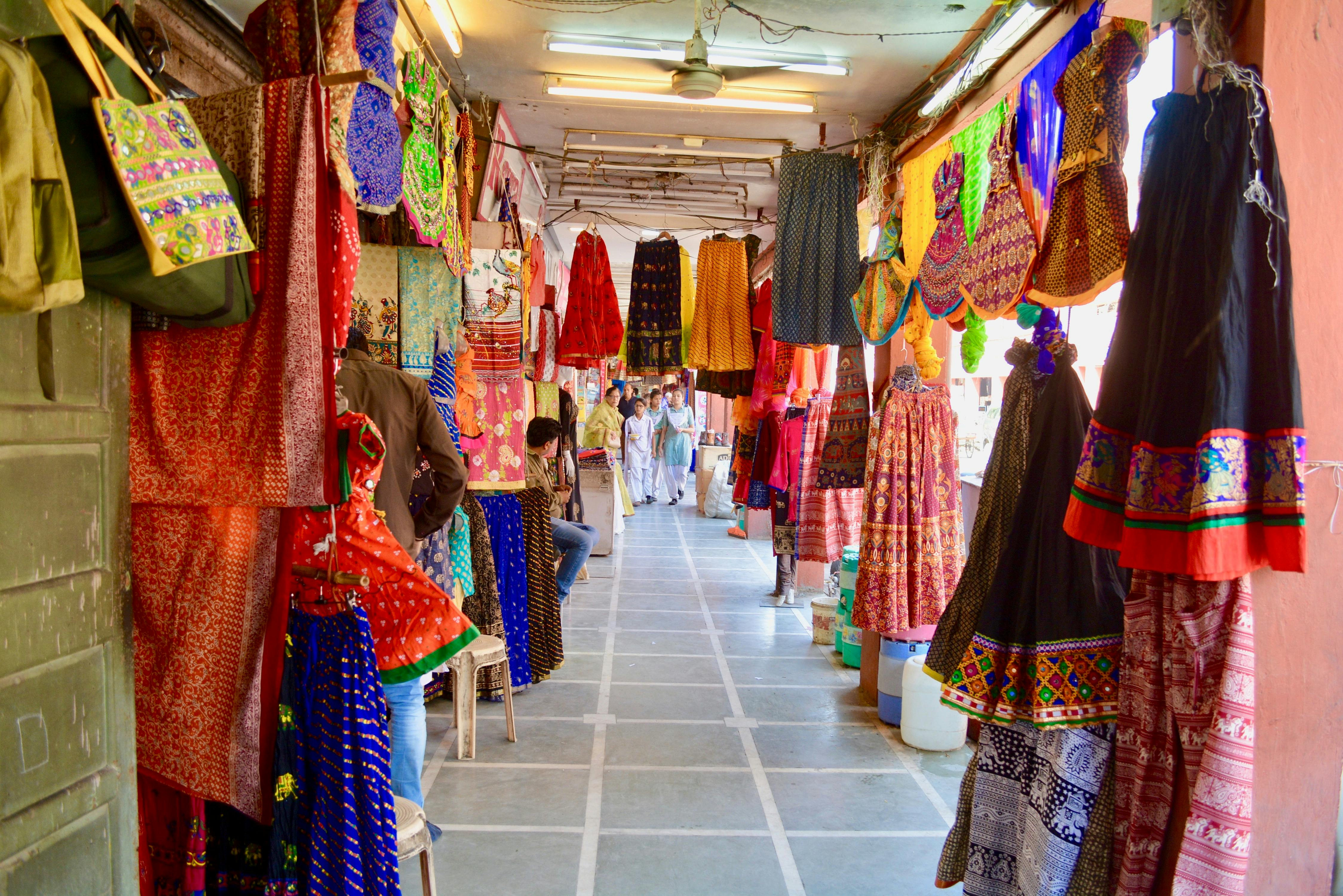
In this crowded environment, success depends on differentiation. Today’s consumers are highly selective and exposed to countless fashion choices daily. Designers must clearly define what sets their brand apart—whether through distinctive aesthetics, sustainability, craftsmanship, or compelling storytelling. Digital platforms have further reshaped the landscape, offering global reach while simultaneously raising expectations for originality and authenticity. Brands that succeed are those that build emotional connections, cultivate trust, and remain true to their identity.
Understanding the competitive landscape allows designers to position themselves strategically, build a strong brand presence, and attract a loyal audience in a challenging market.
Defining a Unique Design Aesthetic
A strong and recognizable design aesthetic is essential for standing out in the fashion industry. A designer’s aesthetic reflects their creative vision and personality, shaping how their brand is perceived. Key elements such as color palettes, silhouettes, textures, and patterns play a crucial role in establishing a cohesive identity.
Color choices, in particular, influence emotional responses and brand recognition. A consistent palette can reinforce a brand’s message and make collections instantly identifiable. Patterns and textures further enhance uniqueness, whether through bold graphics, subtle detailing, or signature motifs that become synonymous with the designer’s work.
Inspiration also plays a defining role. Drawing from art, culture, heritage, or personal experiences adds depth and authenticity to designs. When designers embrace their influences openly, they create meaningful work that resonates with audiences on a deeper level, strengthening both brand identity and emotional connection.
Using Social Media to Increase Visibility
Social media has become one of the most powerful tools for fashion designers to gain exposure and engage with audiences. Platforms such as Instagram and TikTok offer visual storytelling opportunities that allow designers to showcase collections, creative processes, and brand personality.
Consistency is key—maintaining a clear visual style and posting regularly helps build recognition. Hashtags, trending audio, and interactive content like polls, live sessions, and behind-the-scenes videos can further increase reach and engagement. Responding to comments and messages fosters a sense of community and builds trust with followers.
Collaborations with influencers and creatives who align with the brand’s values can significantly expand visibility. By analyzing engagement metrics, designers can refine their content strategy and better understand what resonates with their audience.
Building a Strong Personal Brand
Personal branding is a vital component of success in fashion. Beyond clothing, consumers are drawn to the story, values, and vision behind a brand. A compelling personal brand humanizes the designer and creates emotional connections that encourage loyalty.
Storytelling plays a central role in this process. Sharing the journey behind the brand—its origins, challenges, and inspirations—makes the designer relatable and authentic. Consistency across platforms strengthens brand recognition, while authenticity ensures credibility in a market where consumers value transparency.
Designers who remain true to their beliefs, openly communicate their design philosophy, and uphold ethical practices are more likely to attract a dedicated and values-driven audience.
Networking and Strategic Collaborations
Networking is essential in the fashion industry, where relationships often lead to growth opportunities. Attending fashion shows, exhibitions, and industry events allows designers to connect with mentors, buyers, influencers, and fellow creatives.
Collaborations can significantly enhance creativity and reach. Partnering with photographers, stylists, artists, or other designers can result in innovative projects and shared audiences. These collaborations not only strengthen brand visibility but also encourage creative experimentation and learning.
Sustaining professional relationships through regular communication and collaborative efforts builds long-term support systems that are invaluable in a competitive market.
Fashion Shows and Exhibitions as Growth Platforms
Participating in fashion shows, trade fairs, and exhibitions provides designers with valuable exposure. These platforms allow designers to present their collections to buyers, media professionals, and fashion enthusiasts, helping establish credibility and market presence.
Such events often generate media attention and social media buzz, contributing to brand recognition and potential sales growth. They also offer opportunities for direct feedback, enabling designers to understand market preferences and refine their future collections.
Equally important is the networking potential. Connections formed at these events can lead to partnerships, retail opportunities, and mentorship, making them an essential component of a designer’s growth strategy.
Staying Ahead of Industry Trends
The fashion industry evolves rapidly, influenced by cultural shifts, technology, and sustainability movements. Designers must stay informed to remain competitive and innovative.
Attending workshops, webinars, and fashion conferences provides insights into emerging trends and industry best practices. Following trend forecasters helps designers anticipate market demands and align collections accordingly. Fashion publications and digital platforms also serve as valuable sources of inspiration and analysis.
Continuous learning enables designers to adapt creatively while maintaining relevance in an ever-changing market.
Prioritizing Ethical Design and Sustainability
Sustainability and ethical practices have become central to modern fashion. Consumers increasingly seek brands that prioritize responsible sourcing, fair labor practices, and environmental consciousness.
Designers can differentiate themselves by focusing on quality over quantity—using durable materials, ethical production methods, and timeless designs. Transparency in sourcing and manufacturing builds trust and strengthens brand credibility.
A minimalist and thoughtful design approach encourages long-term use, reducing waste and reinforcing sustainable values. Designers who embrace ethical fashion not only appeal to conscious consumers but also contribute positively to the industry’s future.
Creating a Compelling Online Presence
A strong online presence is essential for fashion designers in today’s digital-first world. A professional website acts as both a portfolio and a sales platform, showcasing the designer’s vision through high-quality visuals and thoughtful layout.
User-friendly navigation, mobile responsiveness, and clear structure enhance the browsing experience. For designers selling directly to consumers, seamless e-commerce functionality—secure payments, easy checkout, and transparent policies—is critical.
Adding behind-the-scenes content, collection stories, and process insights can further engage visitors. A well-crafted online presence strengthens brand identity and sets designers apart in a crowded digital marketplace.
Conclusion
Succeeding in the competitive fashion industry requires more than creative talent. Designers must develop a strong identity, embrace digital platforms, build meaningful connections, and remain adaptable to industry shifts. By prioritizing originality, authenticity, ethical values, and strategic visibility, designers can carve out a distinctive space for themselves.
In an industry defined by constant change, those who remain informed, intentional, and true to their vision are best positioned to thrive.