
When it comes to global fashion influence, three cities consistently dominate the conversation—Paris, Milan, and New York City. Each of these iconic fashion capitals has carved out a distinct identity, shaping trends, aesthetics, and the business of style across the world. While they often share the same global stage during fashion weeks, their philosophies, creative directions, and cultural influences are remarkably different.
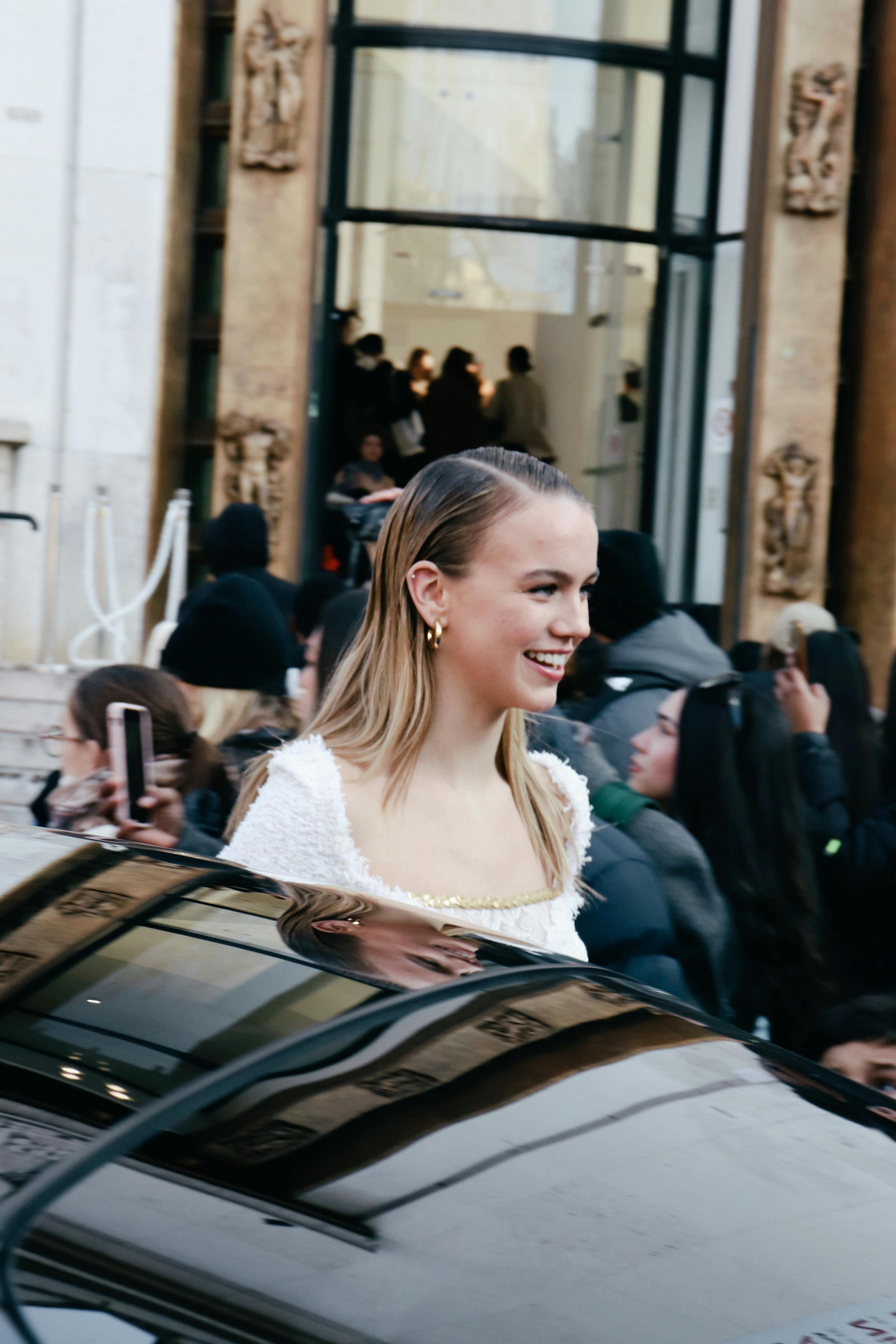
Together, they form the backbone of the global fashion ecosystem—Paris as the guardian of haute couture, Milan as the master of luxury craftsmanship, and New York as the engine of modern, wearable fashion.
Paris: The Heart of Haute Couture
Paris has long been regarded as the spiritual home of high fashion. The city’s deep-rooted connection to couture dates back centuries, and even today, it remains the ultimate destination for artistic expression in fashion.
Vibe and Identity
Parisian fashion is synonymous with elegance, sophistication, and theatrical flair. It thrives on creativity and storytelling, where garments are not merely clothing but expressions of art. Runways in Paris often feel like curated exhibitions, blending fashion with culture, history, and innovation.
Focus: Haute Couture and Artistic Expression
Paris is the epicenter of haute couture—a term that refers to custom-fitted, handcrafted garments made with exceptional attention to detail. These pieces are often created for exclusive clientele and represent the highest level of craftsmanship in the industry.
Legendary fashion houses like Chanel, Dior, and Louis Vuitton define the Parisian aesthetic. Their collections often set global trends, influencing everything from luxury fashion to high-street designs.
Global Influence
Paris doesn’t just follow trends—it creates them. Designers here push boundaries, experiment with avant-garde concepts, and redefine what fashion can be. From intricate embroidery to dramatic silhouettes, Paris sets the tone for the rest of the fashion world.
At its core, Paris represents fashion as an art form—timeless, expressive, and deeply rooted in tradition.
Milan: The Capital of Craftsmanship and Luxury
If Paris is about artistry, Milan is about precision and perfection. Known for its impeccable tailoring and luxurious materials, Milan has built a reputation as the global hub for refined, wearable luxury.
Vibe and Identity
Milanese fashion is sensual, polished, and sophisticated. It strikes a balance between creativity and practicality, offering designs that are both visually stunning and highly functional. The city’s style reflects Italian culture—passionate, elegant, and detail-oriented.
Focus: Ready-to-Wear and Tailoring
Milan is best known for its ready-to-wear collections, which combine high fashion with everyday usability. Unlike the exclusivity of Parisian couture, Milan focuses on delivering luxury that can be worn and appreciated in real life.
Iconic brands such as Giorgio Armani, Versace, Prada, and Gucci dominate the Milanese landscape. These labels are renowned for their craftsmanship, use of premium fabrics, and attention to detail.
Global Influence
Milan plays a crucial role in translating high fashion into global luxury markets. Its designs are aspirational yet accessible within the premium segment, making them highly desirable among consumers worldwide.
Italian tailoring, in particular, has become a benchmark for quality. Whether it’s a perfectly cut suit or a luxurious leather handbag, Milan sets the standard for excellence in fashion manufacturing.
New York: The Powerhouse of Modern Fashion
In contrast to the tradition of Paris and the craftsmanship of Milan, New York City represents the future of fashion—dynamic, inclusive, and commercially driven.
Vibe and Identity
New York fashion is energetic, diverse, and practical. It reflects the city itself—fast-paced, multicultural, and constantly evolving. The focus here is less on exclusivity and more on accessibility and innovation.
Focus: Ready-to-Wear and Street Style
New York is the birthplace of modern ready-to-wear fashion. Designers prioritize functionality, comfort, and versatility, creating clothing that fits seamlessly into everyday life.
Renowned designers like Ralph Lauren and Donna Karan have shaped the city’s identity, blending luxury with practicality.
Streetwear also plays a significant role in New York’s fashion ecosystem. The city has been a driving force behind global trends in casual and urban fashion, influencing everything from sneakers to oversized silhouettes.
Global Influence
New York is where fashion meets business. It is home to some of the world’s largest fashion corporations and retail markets, making it a hub for commercial success.
Unlike Paris and Milan, which focus heavily on design heritage, New York emphasizes scalability, diversity, and market relevance. It sets the pace for global retail trends and consumer behavior.
Fashion Weeks: Where the Worlds Collide
Each of these cities hosts its own prestigious fashion week, forming part of the “Big Four” in the fashion calendar.
-
Paris Fashion Week showcases couture and avant-garde collections
-
Milan Fashion Week highlights luxury and craftsmanship
-
New York Fashion Week focuses on ready-to-wear and emerging trends
These events not only define seasonal trends but also reflect the unique identity of each city. Together, they create a global dialogue that drives the fashion industry forward.
Key Differences at a Glance
While all three cities are fashion powerhouses, their differences are what make them collectively indispensable:
-
Paris: Artistic, exclusive, and rooted in tradition
-
Milan: Luxurious, precise, and craftsmanship-driven
-
New York: Practical, diverse, and commercially focused
Paris tells stories through couture. Milan perfects the art of luxury. New York transforms fashion into a global business.
Cultural Influence on Fashion
Each city’s fashion identity is deeply influenced by its culture.
-
In Paris, fashion is intertwined with art, history, and intellectualism.
-
In Milan, it reflects Italy’s heritage of craftsmanship and design excellence.
-
In New York City, it embodies diversity, innovation, and modern living.
This cultural foundation shapes everything from design philosophy to consumer behavior, making each city unique in its approach.
The Evolution of Global Fashion
Over time, the roles of these cities have evolved. Paris continues to lead in couture, but it has also embraced modernity. Milan has expanded beyond tailoring into bold, experimental designs. New York has grown from a commercial hub into a center of creativity and cultural influence.
Digital transformation and social media have further blurred the lines between these capitals, allowing trends to travel instantly across borders. Yet, despite globalization, each city retains its distinct voice.
Why All Three Matter
The global fashion industry thrives because of the diversity these cities offer.
-
Without Paris, fashion would lose its artistic soul.
-
Without Milan, it would lack craftsmanship and refinement.
-
Without New York, it would miss accessibility and commercial viability.
Together, they create a balanced ecosystem where creativity, quality, and practicality coexist.
Conclusion
Paris, Milan, and New York are not competitors—they are complementary forces that define the global fashion landscape. Each city brings something unique to the table, shaping how fashion is created, consumed, and understood.
From the artistic runways of Paris to the luxurious ateliers of Milan and the bustling streets of New York City, these couture capitals continue to inspire and influence the world.
In the end, fashion is not just about clothing—it is about culture, identity, and expression. And nowhere is this more evident than in these three iconic cities, where style is not just worn, but lived.
Photo by Céline |:/
