
The fashion industry has undergone a remarkable transformation over the past few decades, largely fueled by the rise of social media. Platforms like Instagram, TikTok, and Pinterest have fundamentally changed how brands connect with consumers, how trends emerge, and how fashion is consumed. This digital shift has redefined the relationships between designers, influencers, and audiences, creating an interconnected and instantaneous fashion ecosystem.
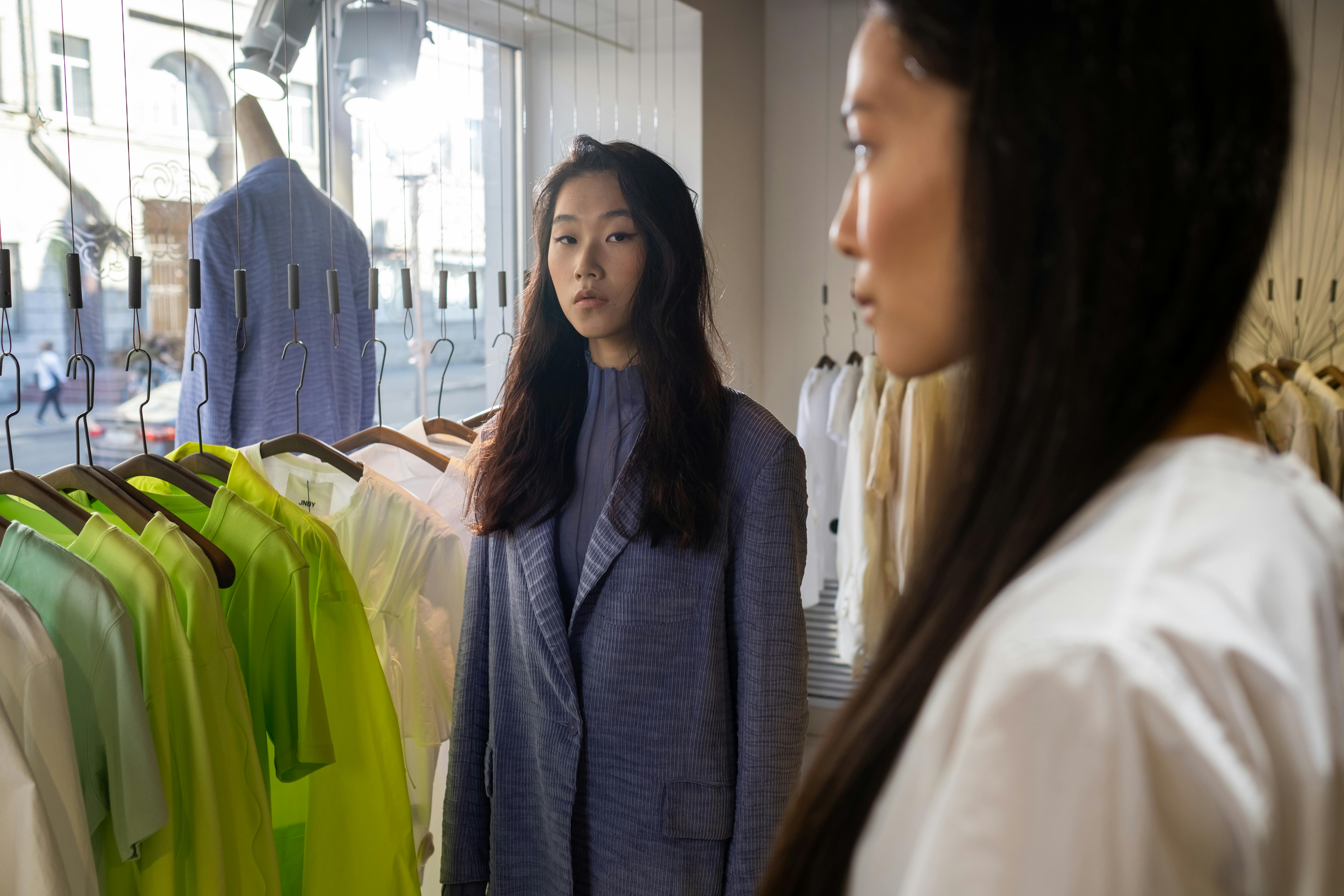
Social media goes beyond simple visibility—it has democratized fashion, giving voice to a wider range of influencers and consumers. Historically, fashion trends were shaped by a select few, such as high-end designers and fashion magazines. Today, anyone with an account can influence trends, showcasing unique styles and ideas. This inclusivity has led to a diverse array of fashion expressions and elevated underrepresented voices in the industry.
Moreover, social media has become a critical tool for brand identity. Brands can communicate their stories in real-time, building trust and loyalty with their audience. Visual storytelling has become essential, compelling brands to curate content strategically. The interactivity of these platforms also enables immediate audience feedback, allowing for agile marketing and design decisions.
The Rise of Influencer Culture
Social media has given rise to influencer culture, reshaping fashion marketing. Influencers—individuals whose opinions affect purchasing decisions—have become central to the industry. Platforms like Instagram, TikTok, and YouTube allow influencers to connect directly with followers, sharing clothing, accessories, and lifestyle choices through authentic storytelling.
Influencers range from micro-influencers (1,000–100,000 followers) to macro-influencers with millions. Micro-influencers often foster highly engaged niche communities, making them valuable partners for brands seeking targeted outreach. Their authentic engagement often surpasses traditional celebrity endorsements in terms of trust and influence.
As influencers gain prominence, they increasingly shape trends and consumer behaviors. A single post can spark viral trends, highlighting the growing power of social media in driving fashion innovation.
Democratization of Fashion
Social media has leveled the playing field in fashion, enabling independent designers and small brands to compete with established houses. Platforms like Instagram and TikTok allow emerging designers to reach global audiences without traditional gatekeepers such as magazines or buyers.
Visual culture on these platforms encourages users to share personal style, fostering a vibrant, engaged community. This accessibility not only increases visibility for new designers but also promotes diversity and inclusivity. Consumers now participate in shaping trends, challenging norms around beauty standards, body image, and cultural representation.
Instant feedback from social media allows brands to adapt rapidly, creating collections that resonate directly with their target audiences. Fashion has become a collaborative and participatory space, where innovation thrives and audiences actively shape the narrative.
Instant Feedback and Trend Acceleration
Social media provides brands with real-time insights into consumer preferences. Platforms like Instagram, TikTok, and Twitter allow users to share opinions instantly, creating a feedback loop that accelerates trend cycles.
Brands no longer rely solely on seasonal collections to gauge interest. Viral challenges and user-generated content often dictate emerging trends, allowing brands to respond quickly and produce new items faster. This rapid iteration fosters fast fashion but also highlights the growing influence of niche communities in shaping style.
Virtual Fashion Shows and Events
Social media has also transformed fashion presentations. Traditional runway shows, once exclusive events, are increasingly going virtual, allowing global audiences to participate. Live-streamed events enable interaction through live chats, Q&A sessions, and social media engagement, democratizing access to fashion.
Virtual shows also offer creative freedom, with brands experimenting with storytelling, visuals, and formats. The integration of social media into these events not only enhances engagement but also provides immediate feedback, influencing future designs and marketing strategies.
Sustainability and Social Responsibility
Social media has amplified awareness of sustainability and ethical practices in fashion. Consumers increasingly use platforms to hold brands accountable for environmental and labor practices. This has led many brands to adopt transparent supply chains, sustainable sourcing, and improved labor standards.
Activists and influencers further amplify these messages, pressuring brands to prioritize social responsibility. Social media has empowered consumers to demand ethical practices, prompting brands to align their operations with the values of an increasingly conscious audience.
Brand Storytelling and Engagement
Storytelling has become a core strategy for fashion brands. Social media enables brands to craft narratives that convey identity, mission, and values, fostering community and loyalty. Through visuals, behind-the-scenes content, and collaborations with influencers, brands create immersive experiences that resonate with audiences.
User-generated content also plays a vital role, allowing consumers to participate in the storytelling process. This strategy enhances authenticity, builds engagement, and strengthens emotional connections, ensuring that brands remain relevant in a competitive market.
Crisis Management and Brand Image
Social media is a double-edged sword for brand reputation. While it offers tools for real-time crisis management, it also amplifies risks. Negative feedback or controversies can spread rapidly, requiring brands to respond quickly to protect their image.
A proactive approach, including social listening and dedicated crisis management, is crucial. Brands that respond transparently and authentically can mitigate damage and even strengthen consumer trust.
The Future of Fashion in a Social Media World
The intersection of fashion and social media will continue to evolve, driven by technology, consumer expectations, and ethical considerations. Augmented reality (AR) and virtual reality (VR) are set to enhance online shopping, creating immersive experiences that engage consumers like never before.
Sustainability and ethical practices will remain central, as informed consumers use social media to demand transparency. Influencer marketing will continue to shape trends, with a growing focus on niche and micro-influencers to build authentic connections.
The future of fashion is digital, participatory, and responsive. Brands that adapt to this dynamic landscape with creativity, agility, and social responsibility are poised to thrive.